Part of the Wixroyd Group
Our sister brands


Part of the Wixroyd Group
Our sister brands
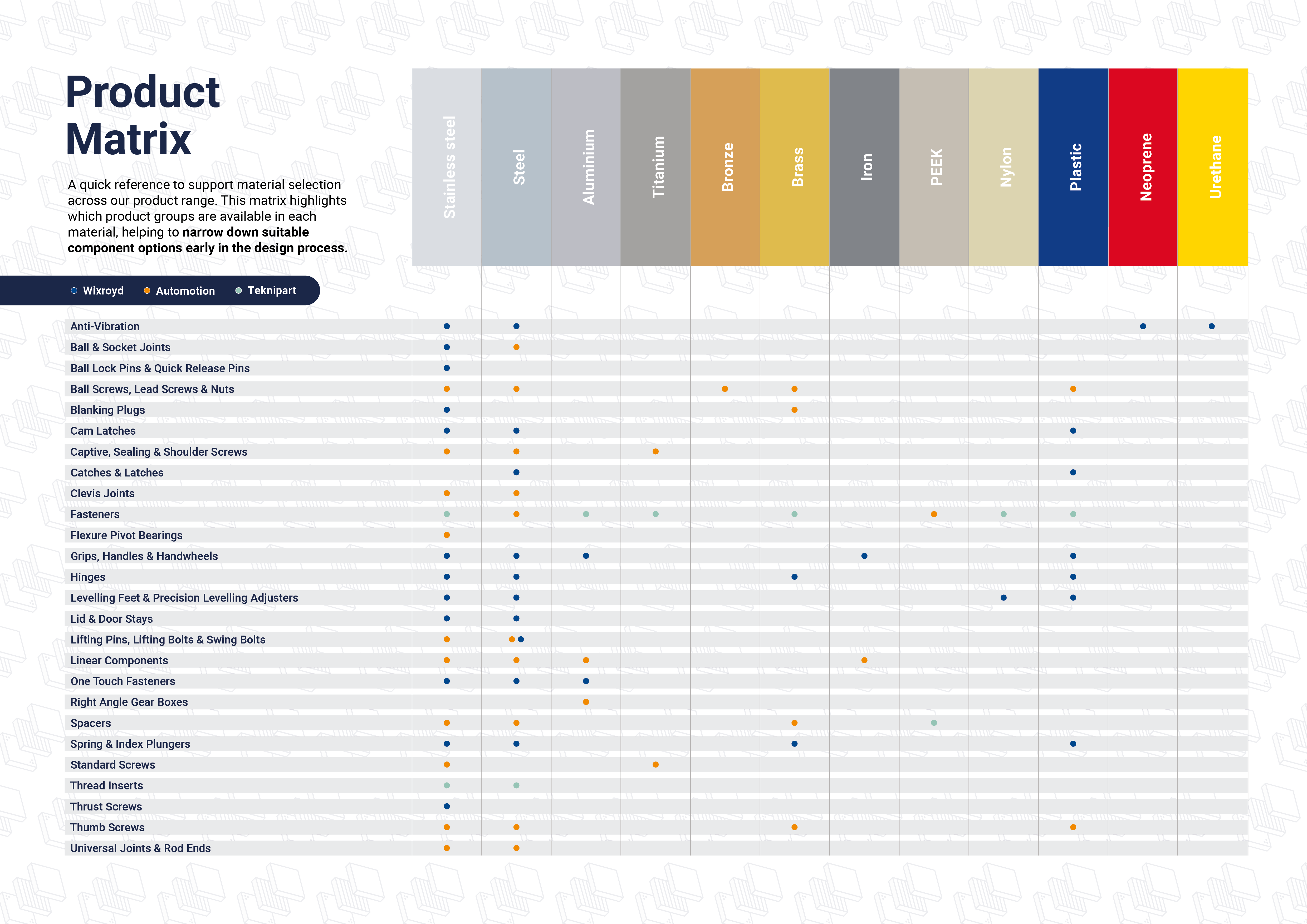
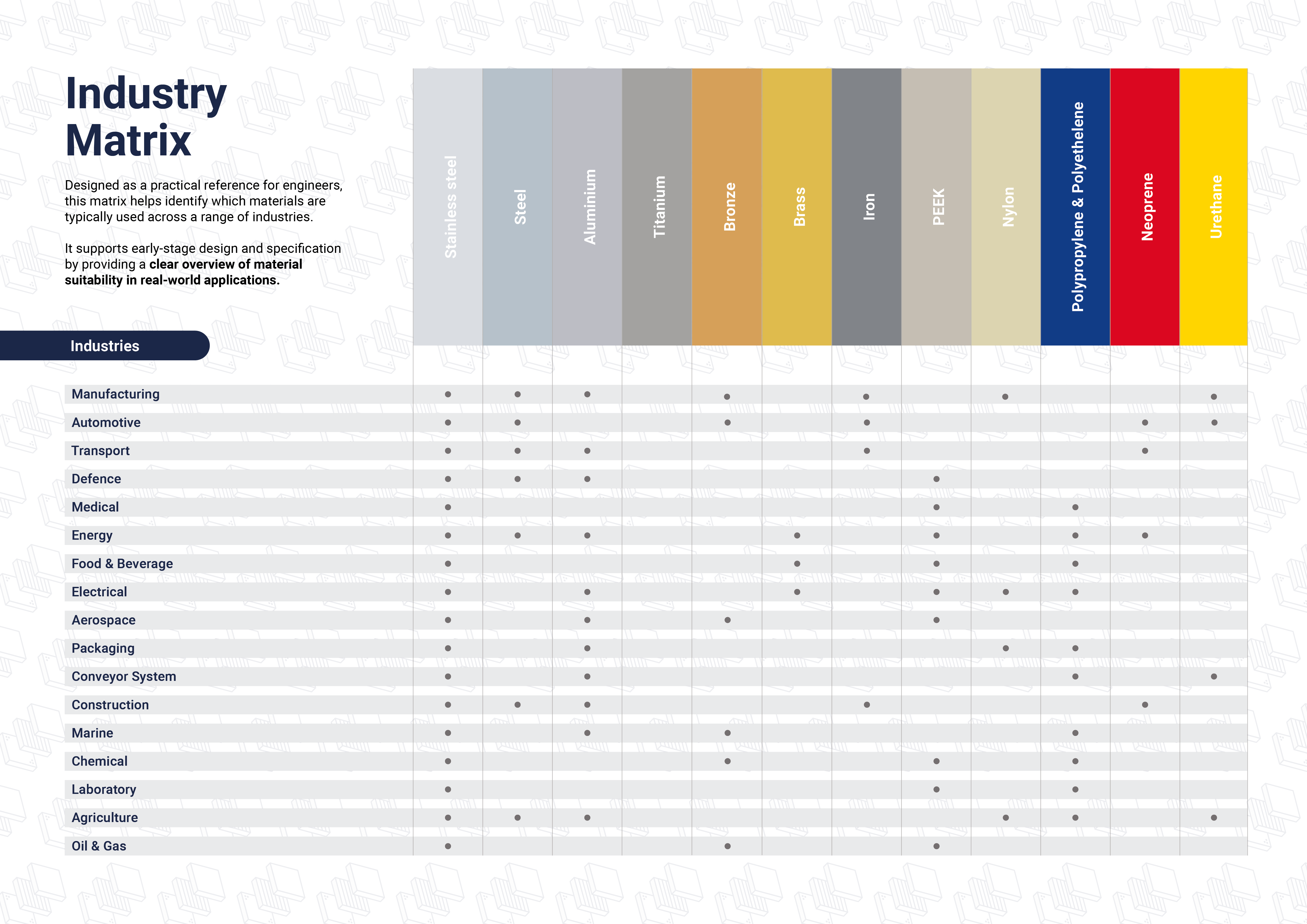
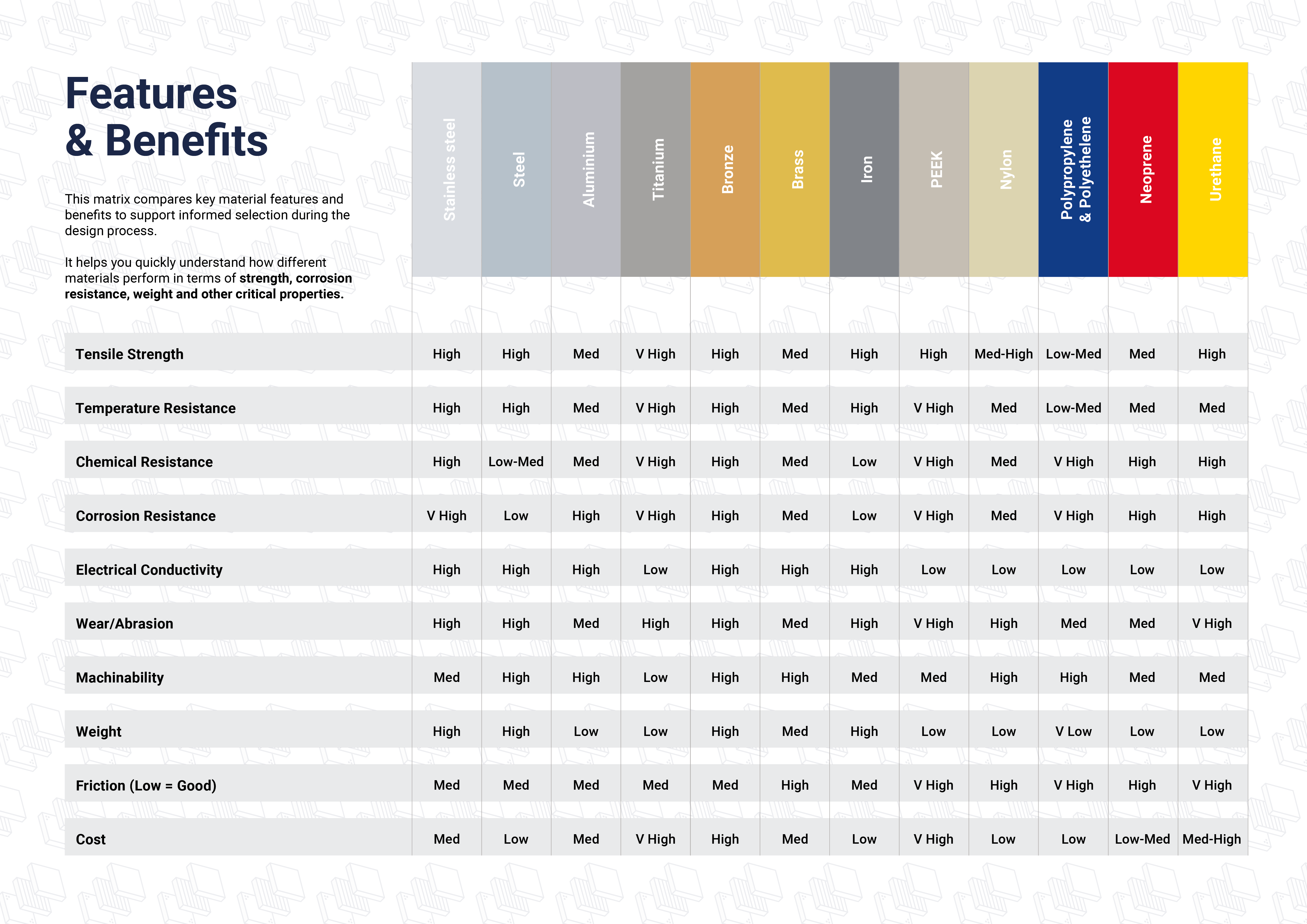
Your Material Selection Matrix
Every application = right material.
The performance of precision engineering components is directly influenced by the materials used in their manufacture. For this reason, we work with a wide selection of metals, plastics and polymers to meet the varied requirements of modern industry. Our materials range includes stainless steel, steel, aluminium, titanium, brass, bronze and iron, as well as high-performance plastics such as PEEK, nylon, urethane and neoprene.
Each material offers distinct mechanical and chemical properties, making them suitable for applications requiring strength, corrosion resistance, flexibility or thermal stability. These components are widely used in sectors such as industrial equipment, automotive systems, aerospace engineering and special purpose machinery manufacturing, where reliability and precision are critical.

Each material offers distinct mechanical and chemical properties, making them suitable for applications requiring strength, corrosion resistance, flexibility or thermal stability. These components are widely used in sectors such as industrial equipment, automotive systems, aerospace engineering and special purpose machinery manufacturing, where reliability and precision are critical.
Your Material Selection Matrix
Every application = right material.
The performance of precision engineering components is directly influenced by the materials used in their manufacture. For this reason, we work with a wide selection of metals, plastics and polymers to meet the varied requirements of modern industry. Our materials range includes stainless steel, steel, aluminium, titanium, brass, bronze and iron, as well as high-performance plastics such as PEEK, nylon, urethane and neoprene. Each material offers distinct mechanical and chemical properties, making them suitable for applications requiring strength, corrosion resistance, flexibility or thermal stability. These components are widely used in sectors such as industrial equipment, automotive systems, aerospace engineering and special purpose machinery manufacturing, where reliability and precision are critical.
Your Material Selection Matrix
Every application = right material.
The performance of precision engineering components is directly influenced by the materials used in their manufacture. For this reason, we work with a wide selection of metals, plastics and polymers to meet the varied requirements of modern industry. Our materials range includes stainless steel, steel, aluminium, titanium, brass, bronze and iron, as well as high-performance plastics such as PEEK, nylon, urethane and neoprene. Each material offers distinct mechanical and chemical properties, making them suitable for applications requiring strength, corrosion resistance, flexibility or thermal stability. These components are widely used in sectors such as industrial equipment, automotive systems, aerospace engineering and special purpose machinery manufacturing, where reliability and precision are critical.
MATERIALS
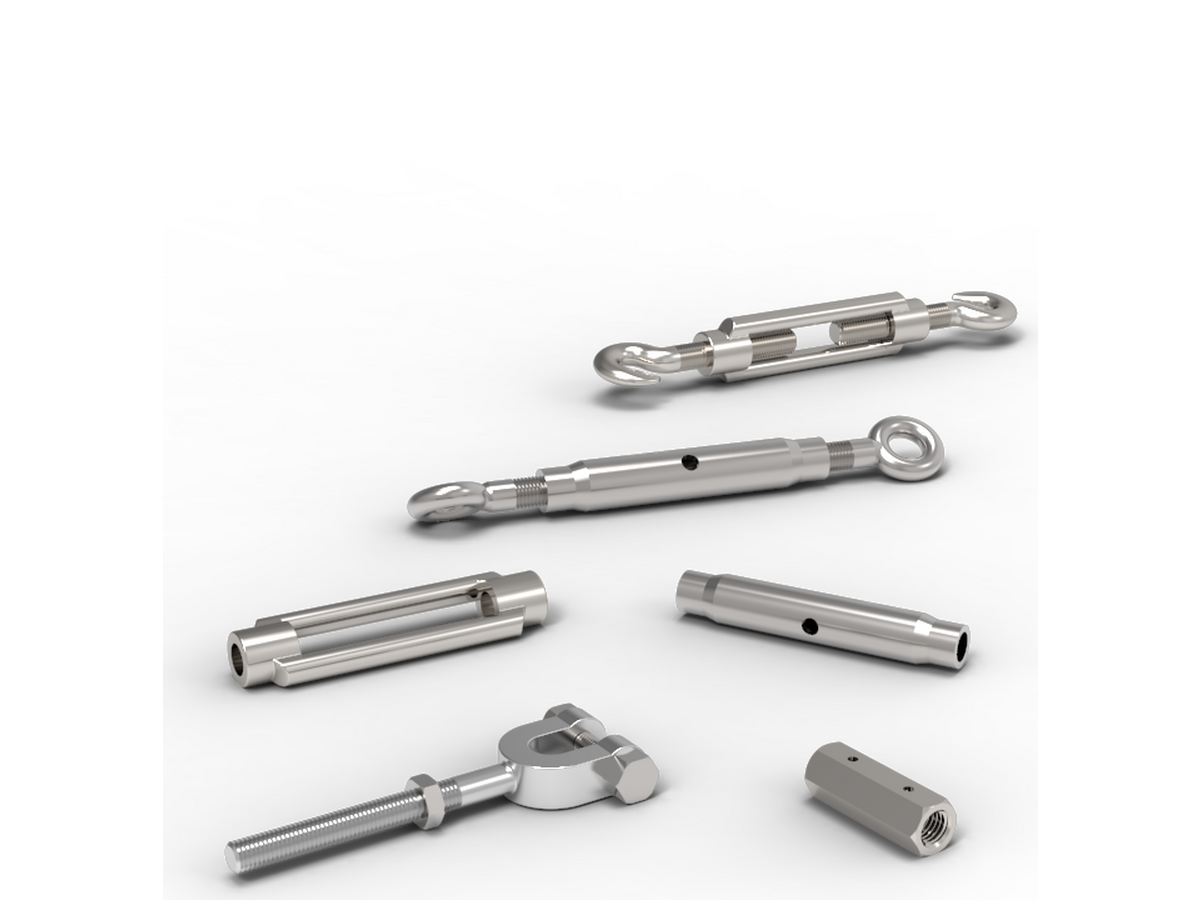
Stainless Steel
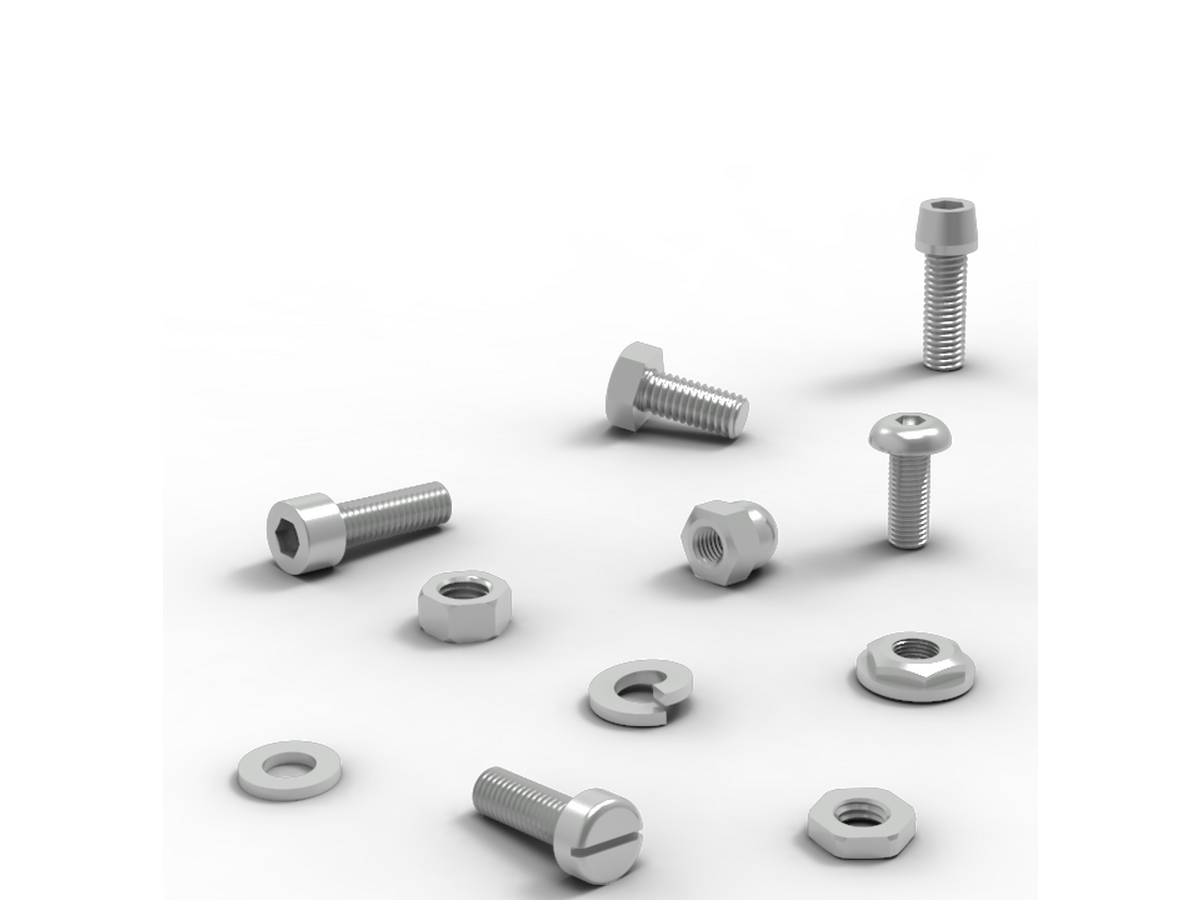
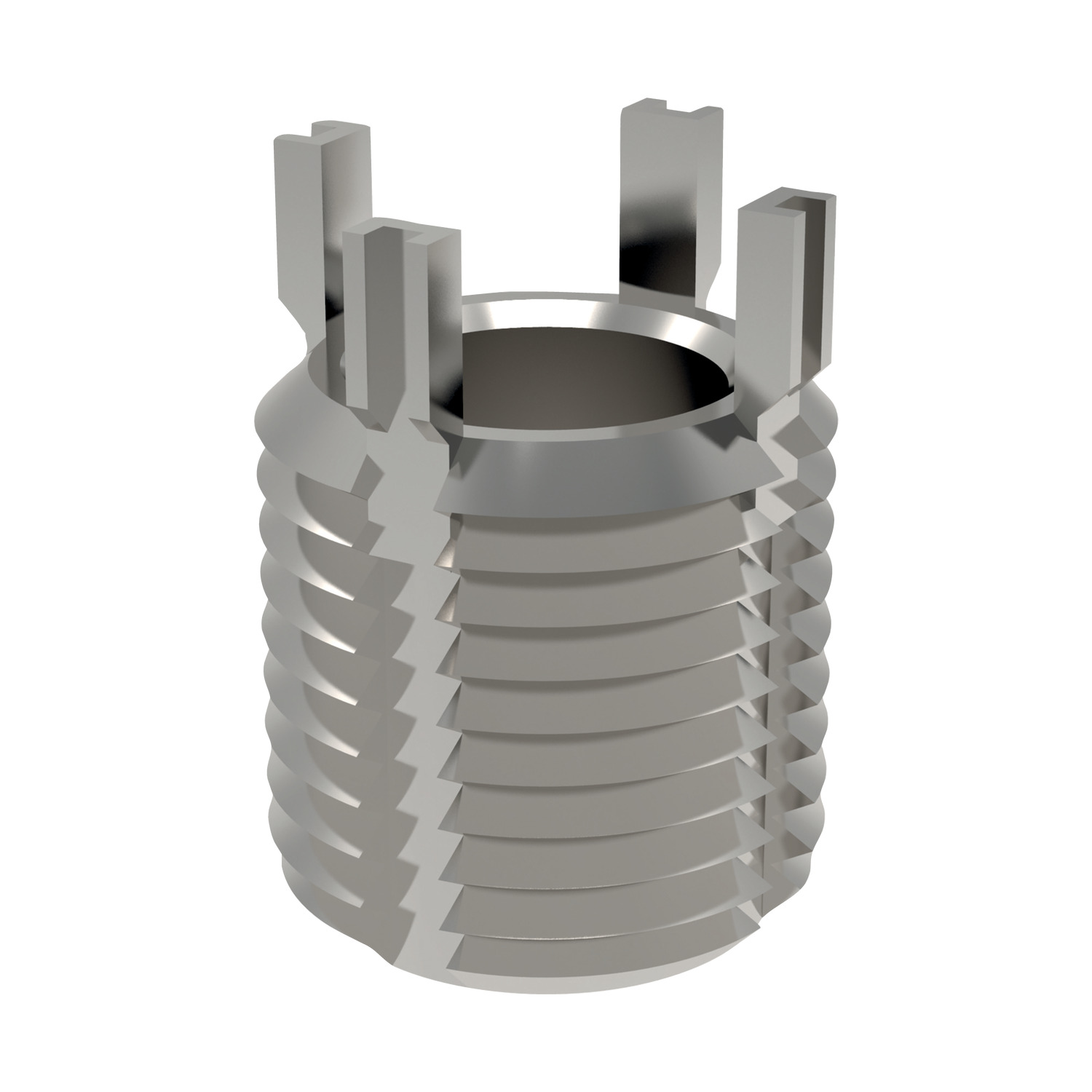
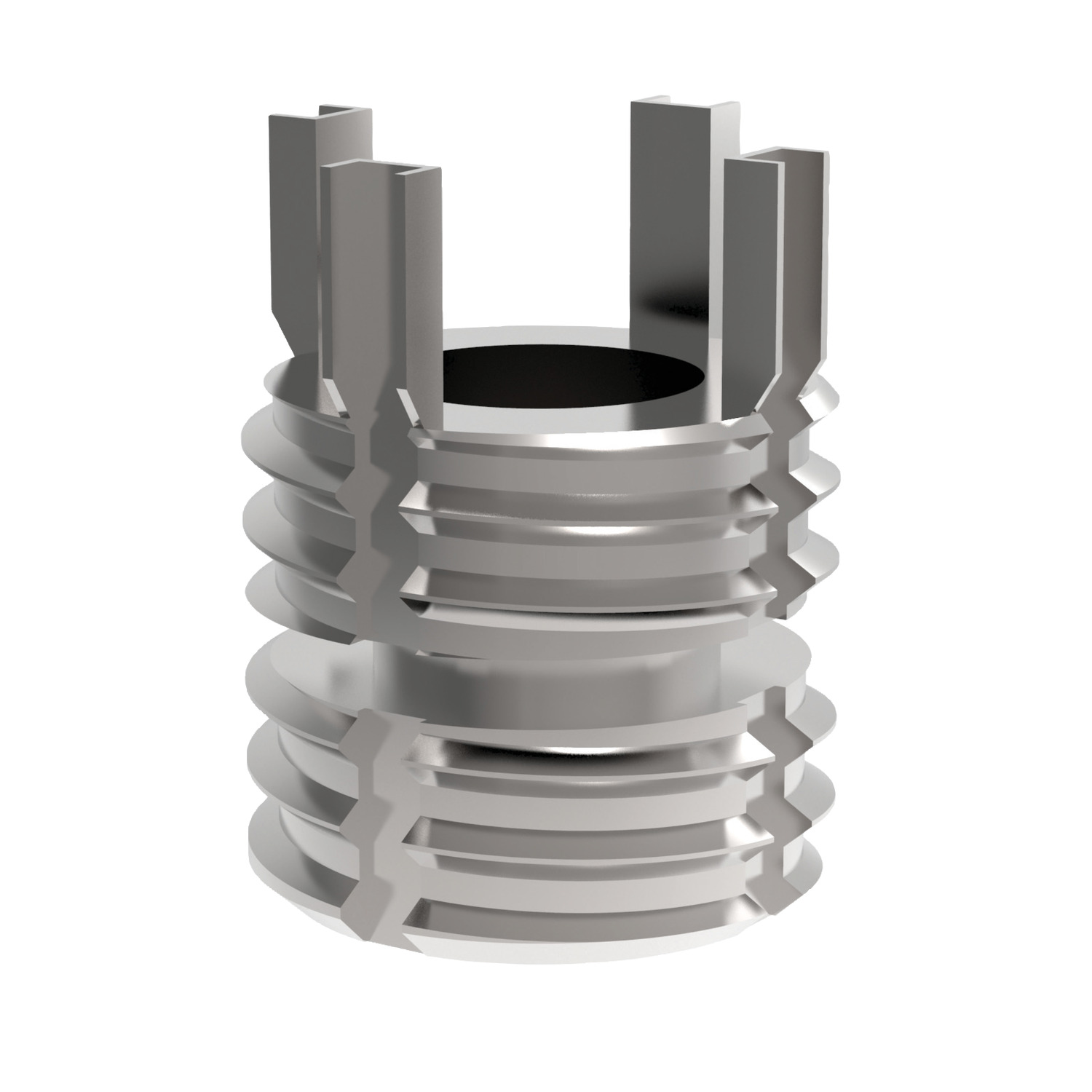
Stainless steel combines durability, corrosion resistance, and mechanical strength, making it one of the most dependable materials in modern engineering. Widely used in sectors ranging from food production and healthcare to aerospace and construction, it maintains performance in both demanding and sanitary environments. Its naturally protective oxide layer helps ensure longevity while reducing maintenance requirements.

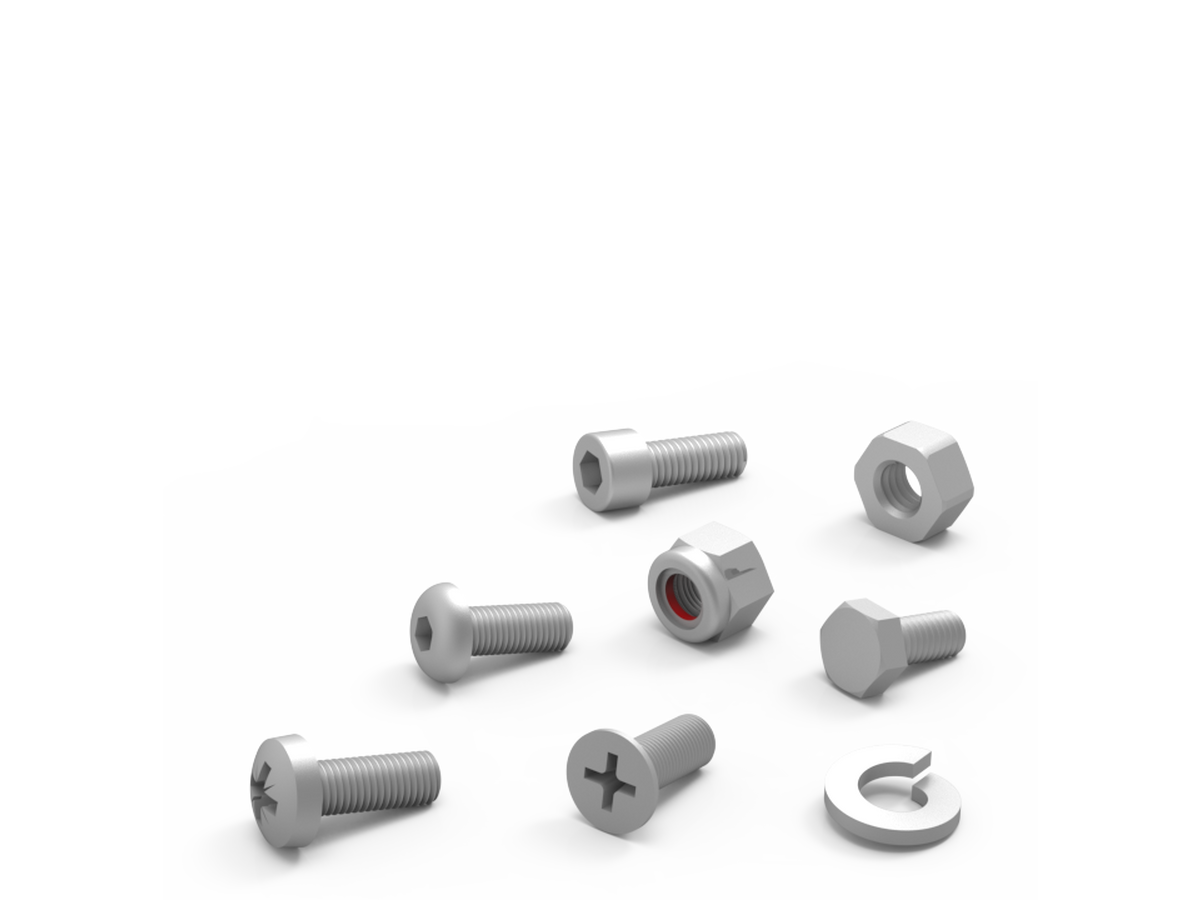
Aluminium
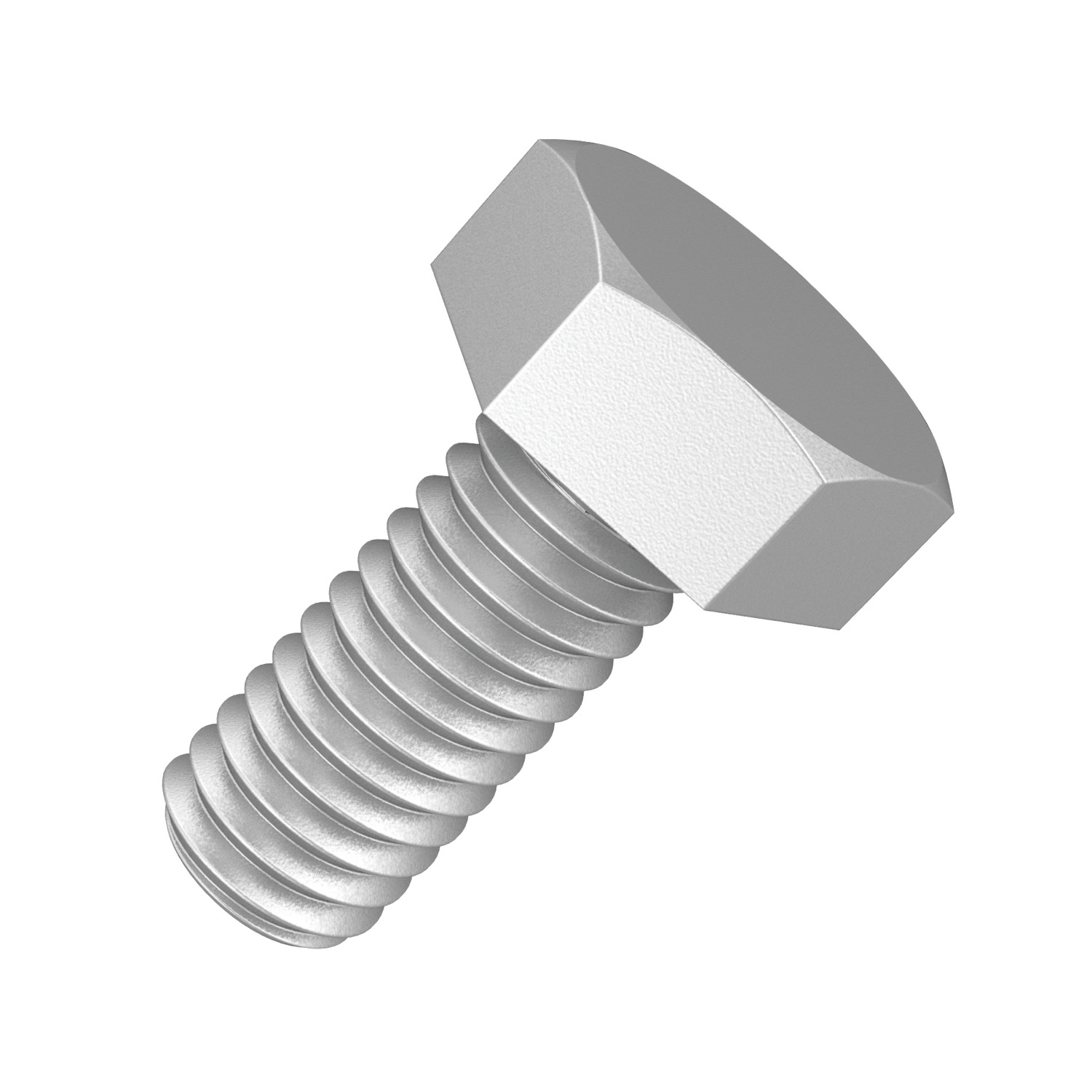
Aluminium is a lightweight yet durable material that offers excellent corrosion resistance and fabrication flexibility. It is extensively used in transport, construction, aerospace, and industrial equipment where reducing weight can improve efficiency and performance. Its conductivity and recyclability further enhance its value across a broad range of engineering sectors.


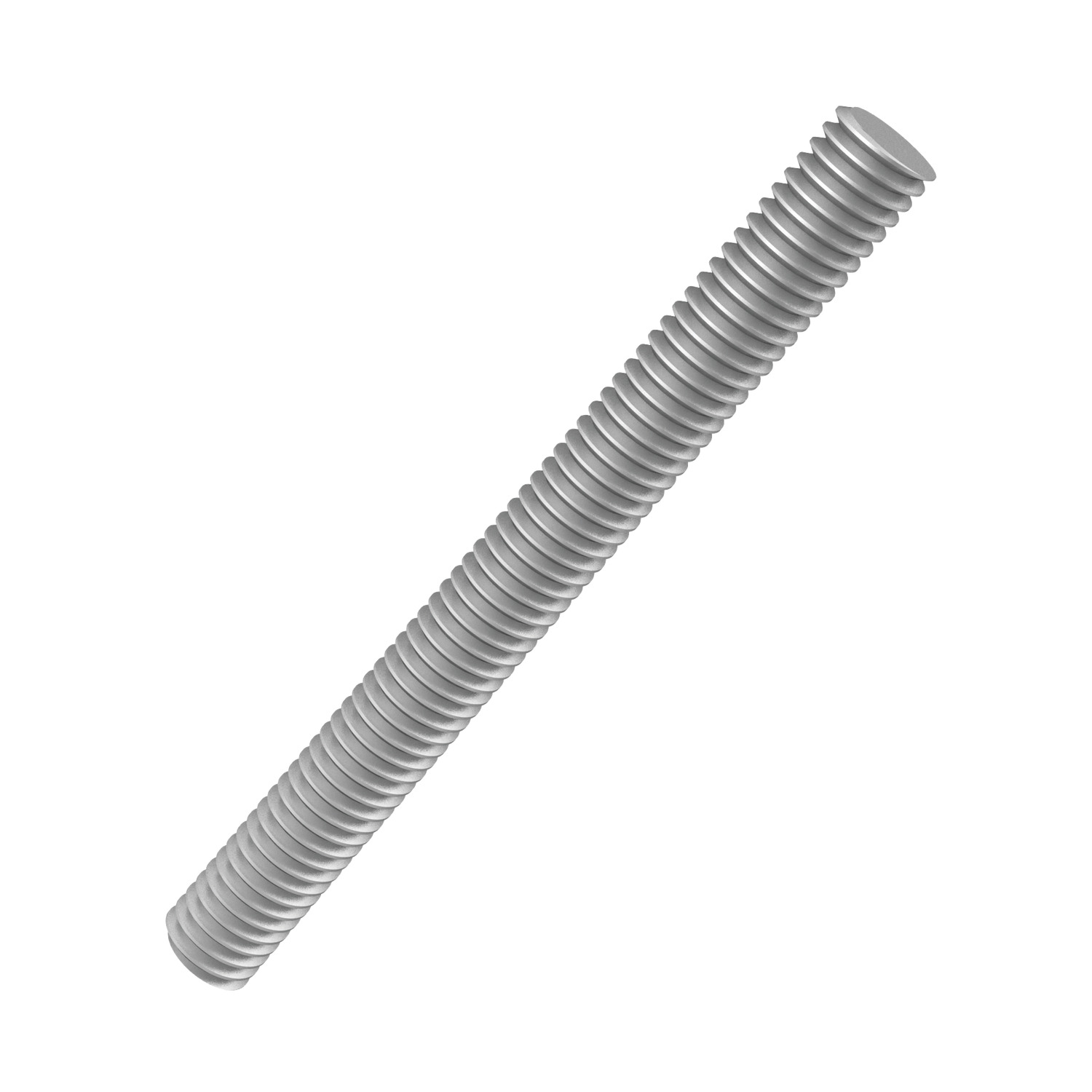

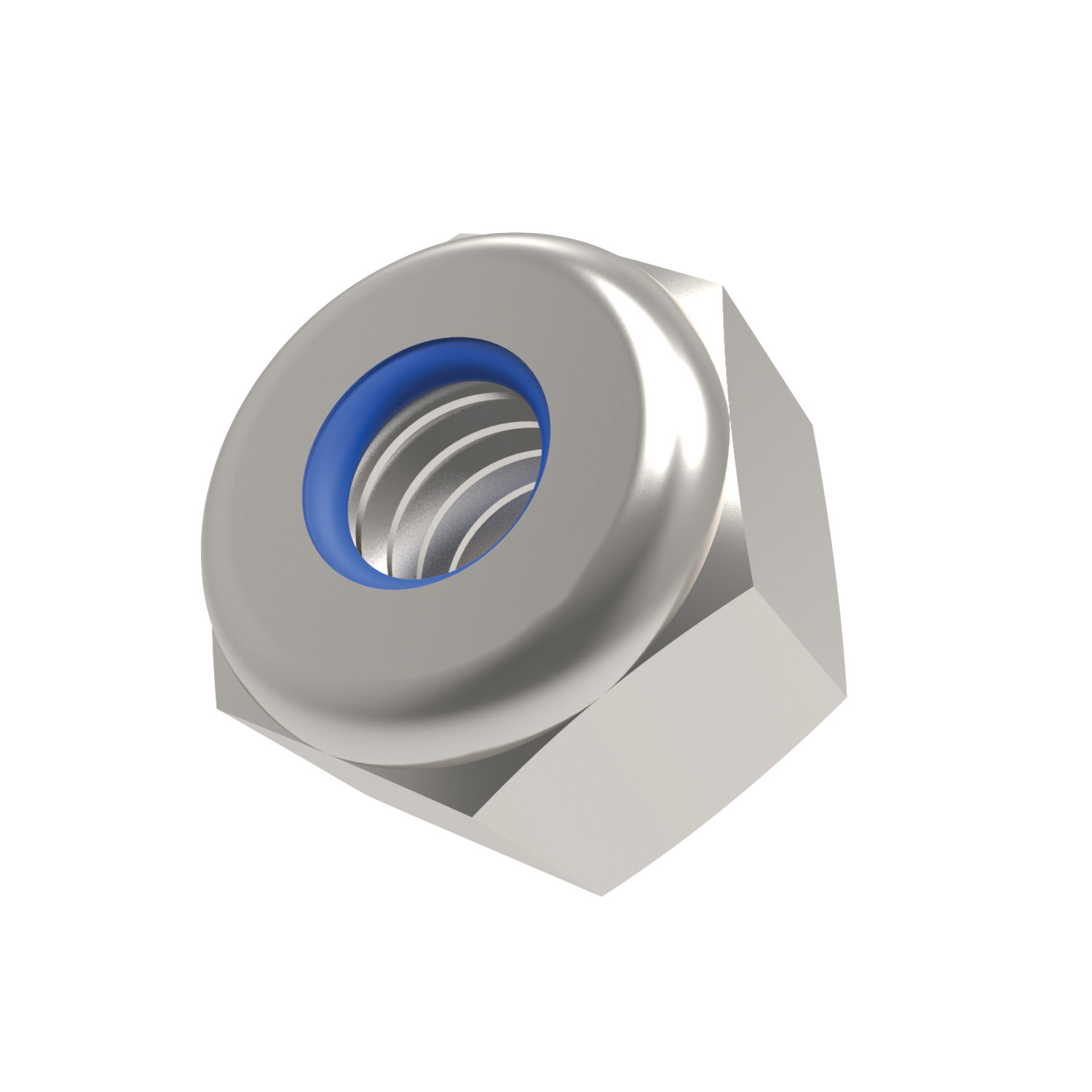
Titanium
Titanium delivers a unique combination of low weight, high strength, and exceptional corrosion resistance. These properties make it a preferred material for aerospace structures, medical implants, marine equipment, and chemical processing systems. Its ability to withstand demanding operating conditions while maintaining structural integrity makes it ideal for critical applications.


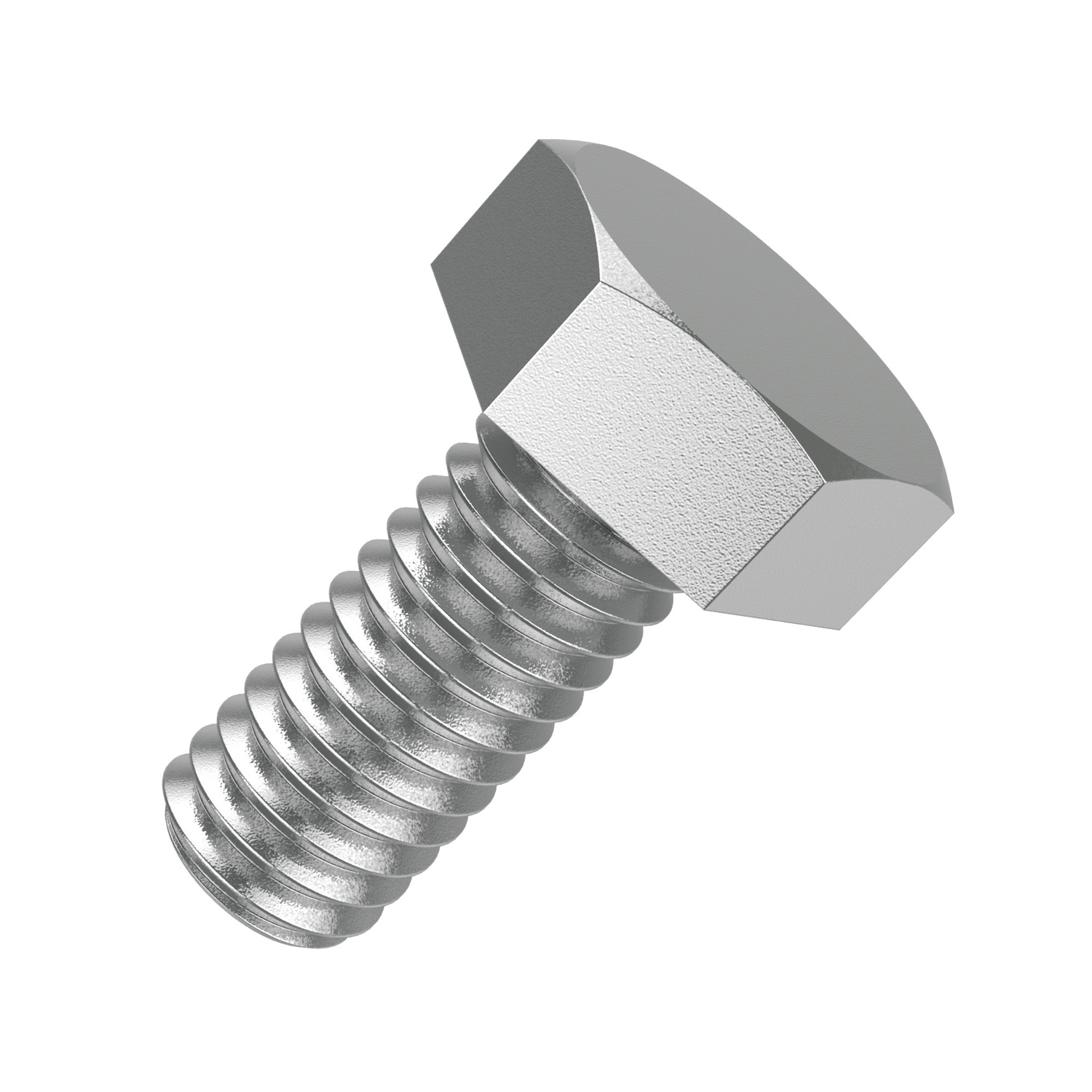
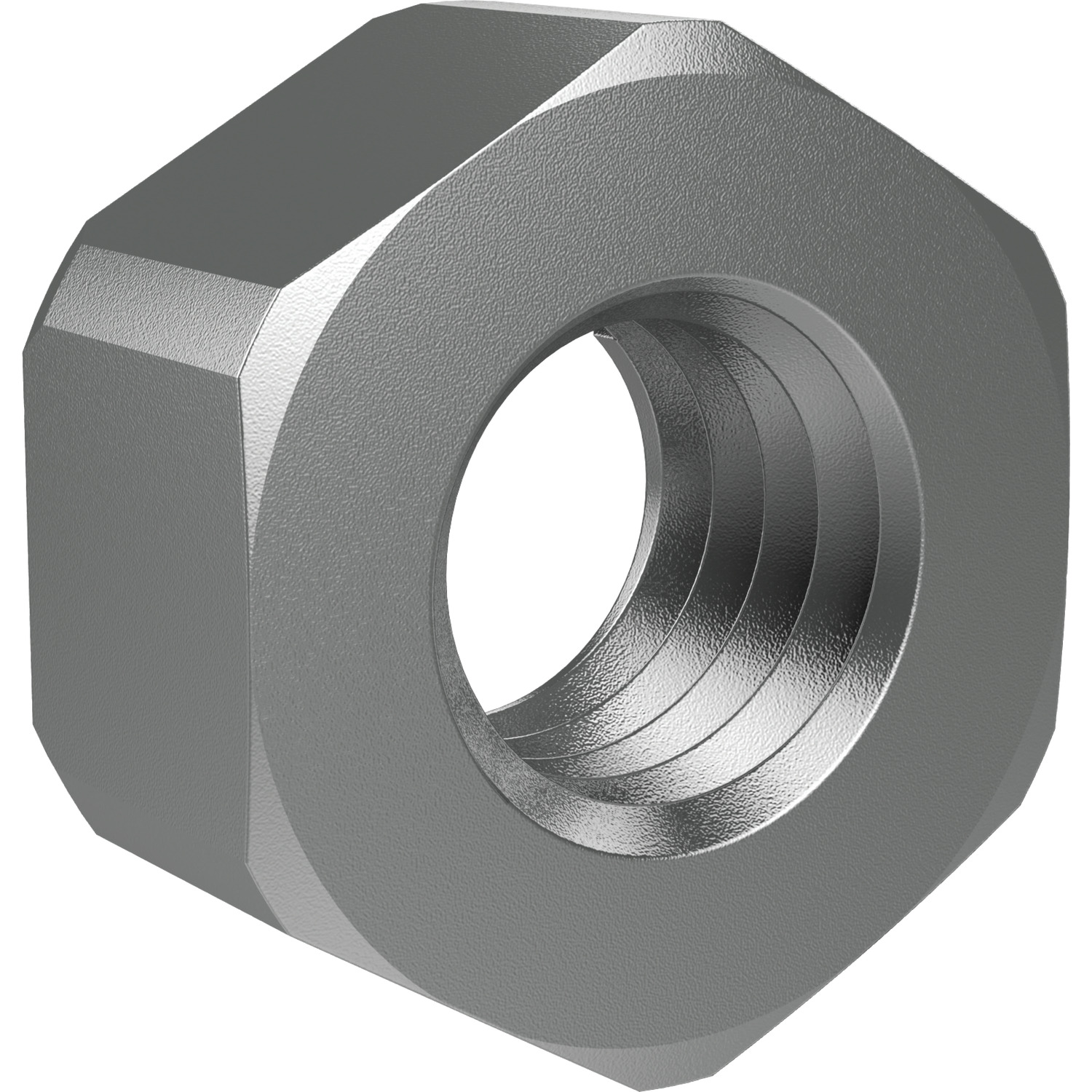
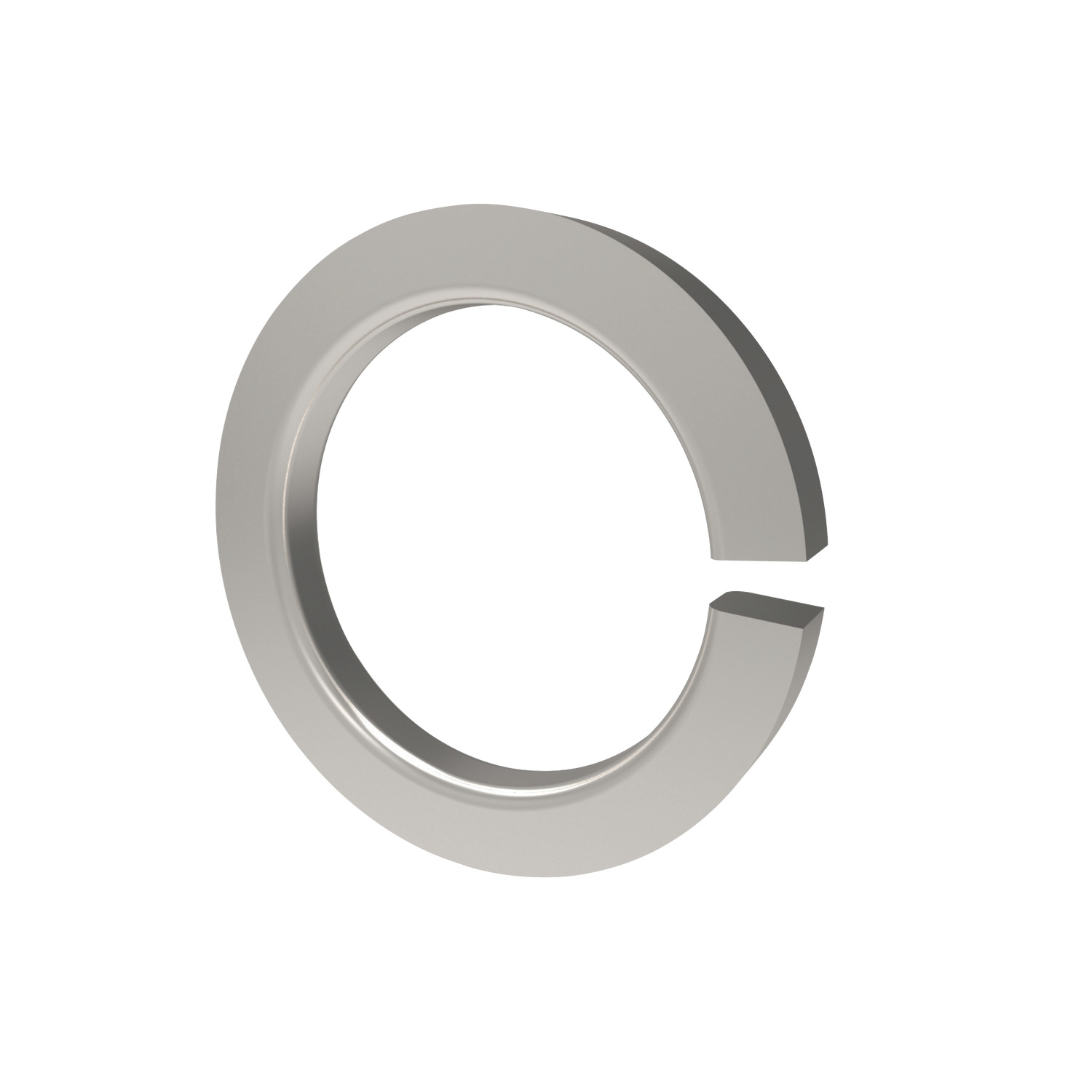
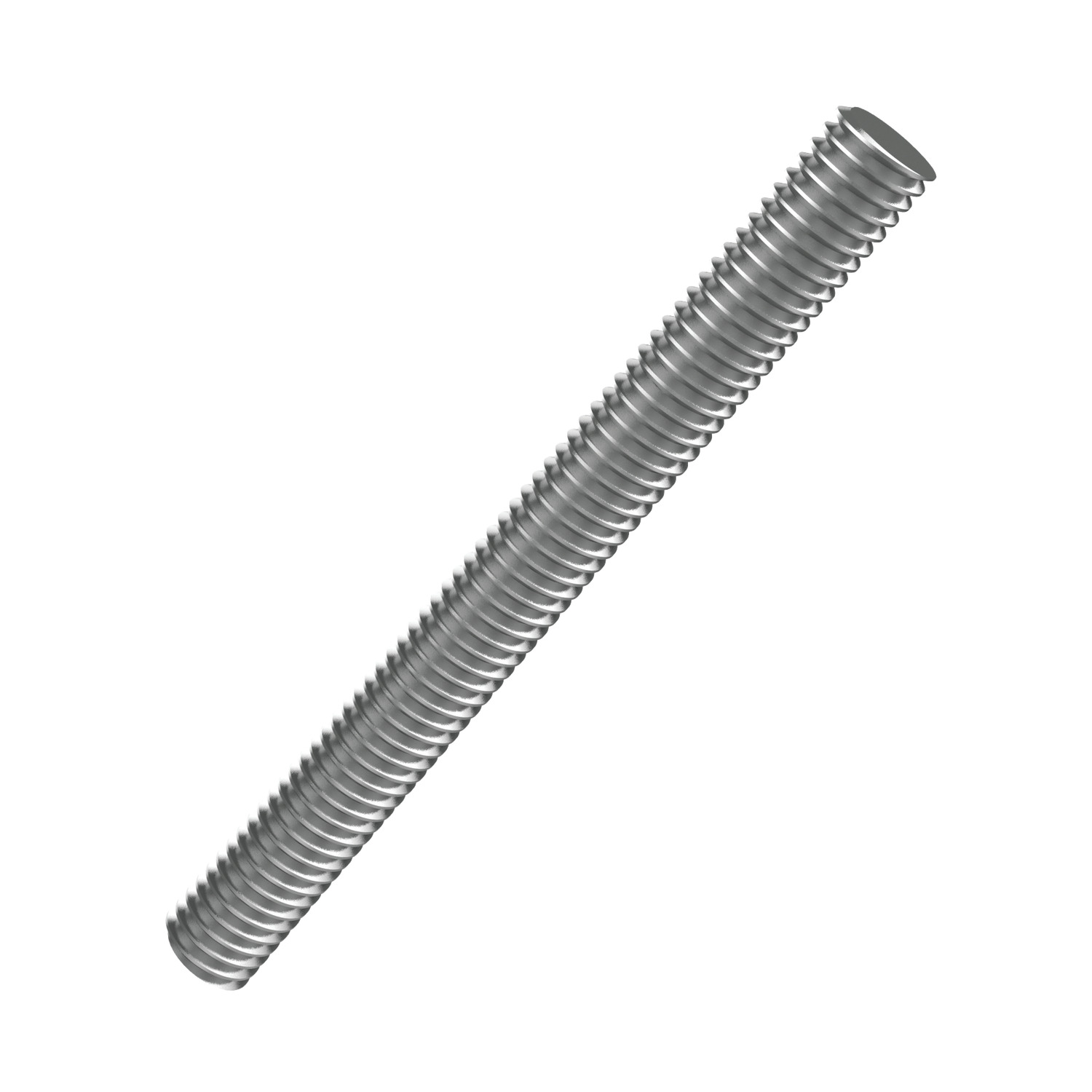
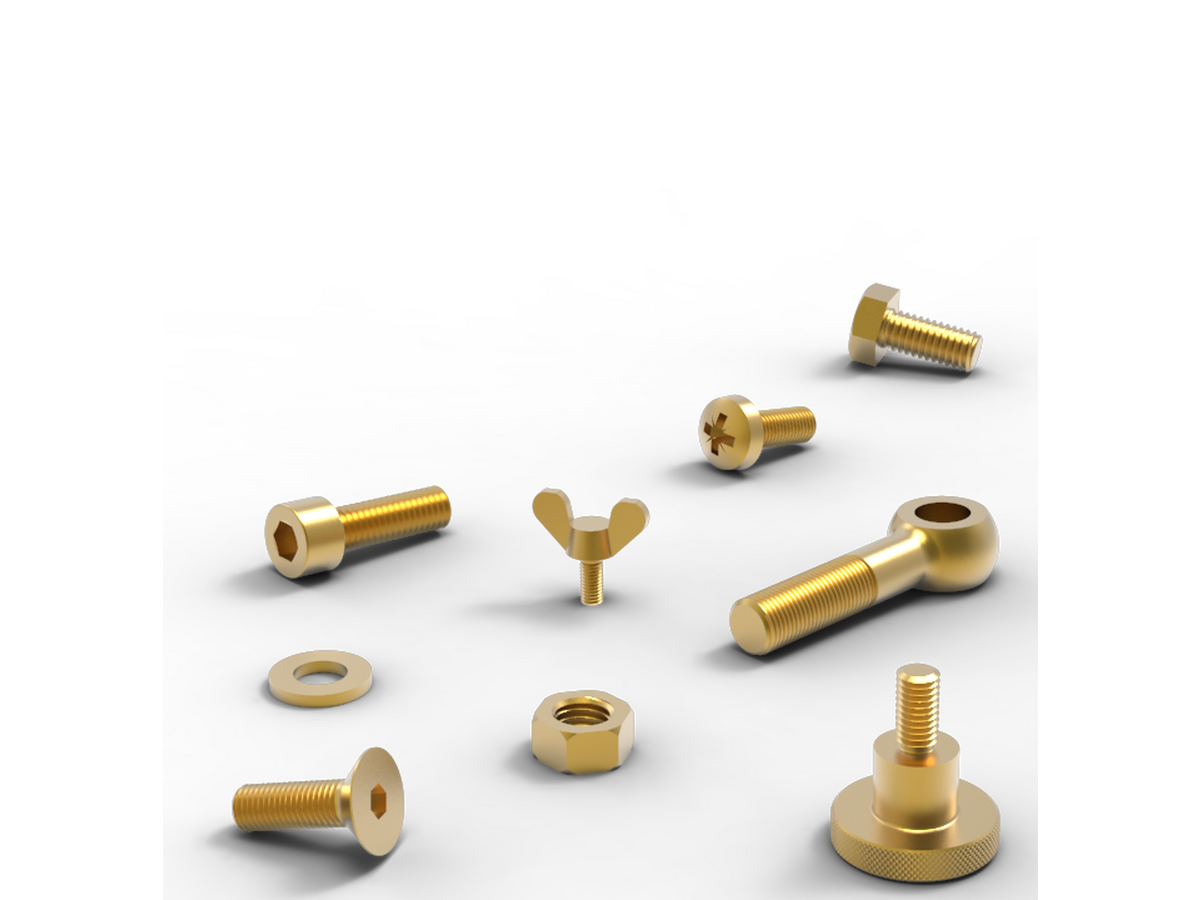
Brass
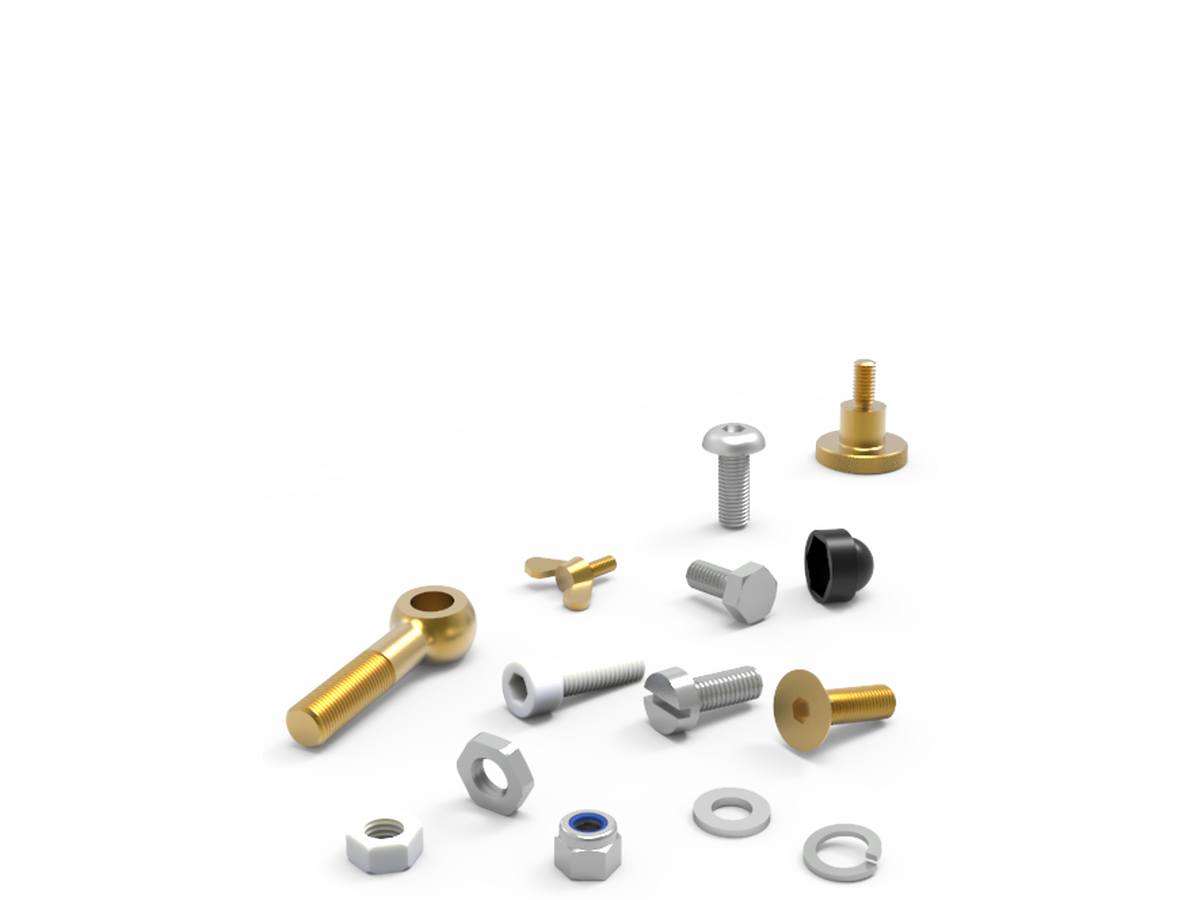
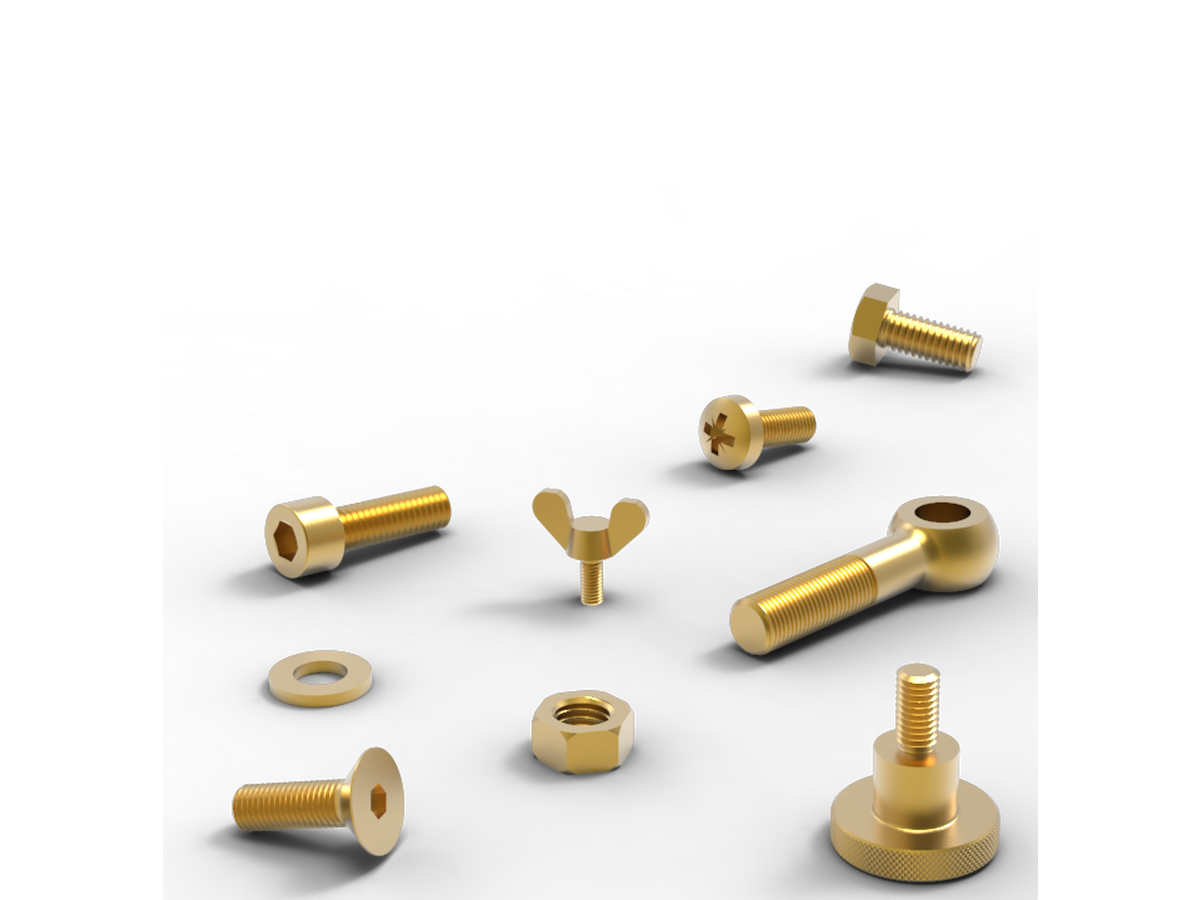
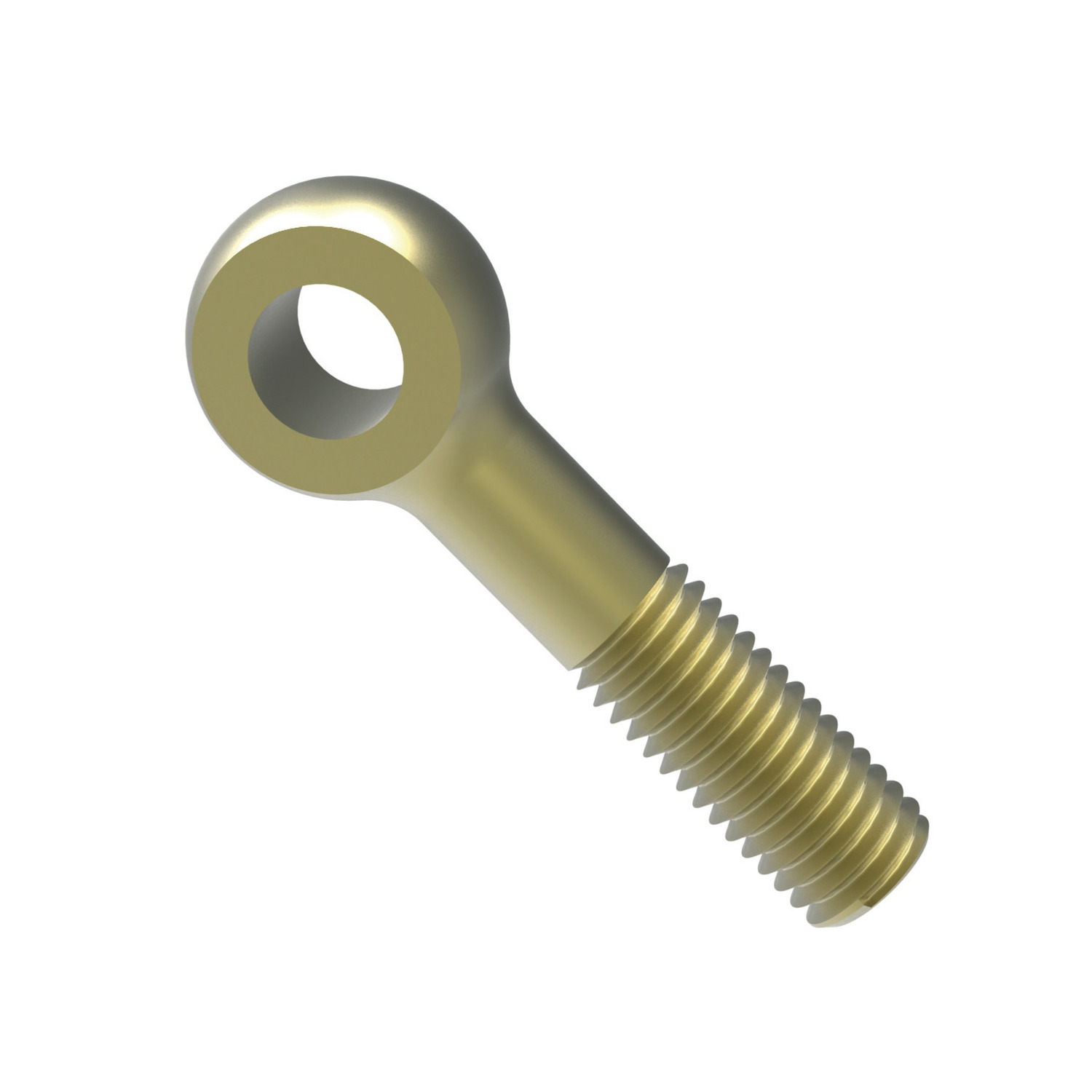
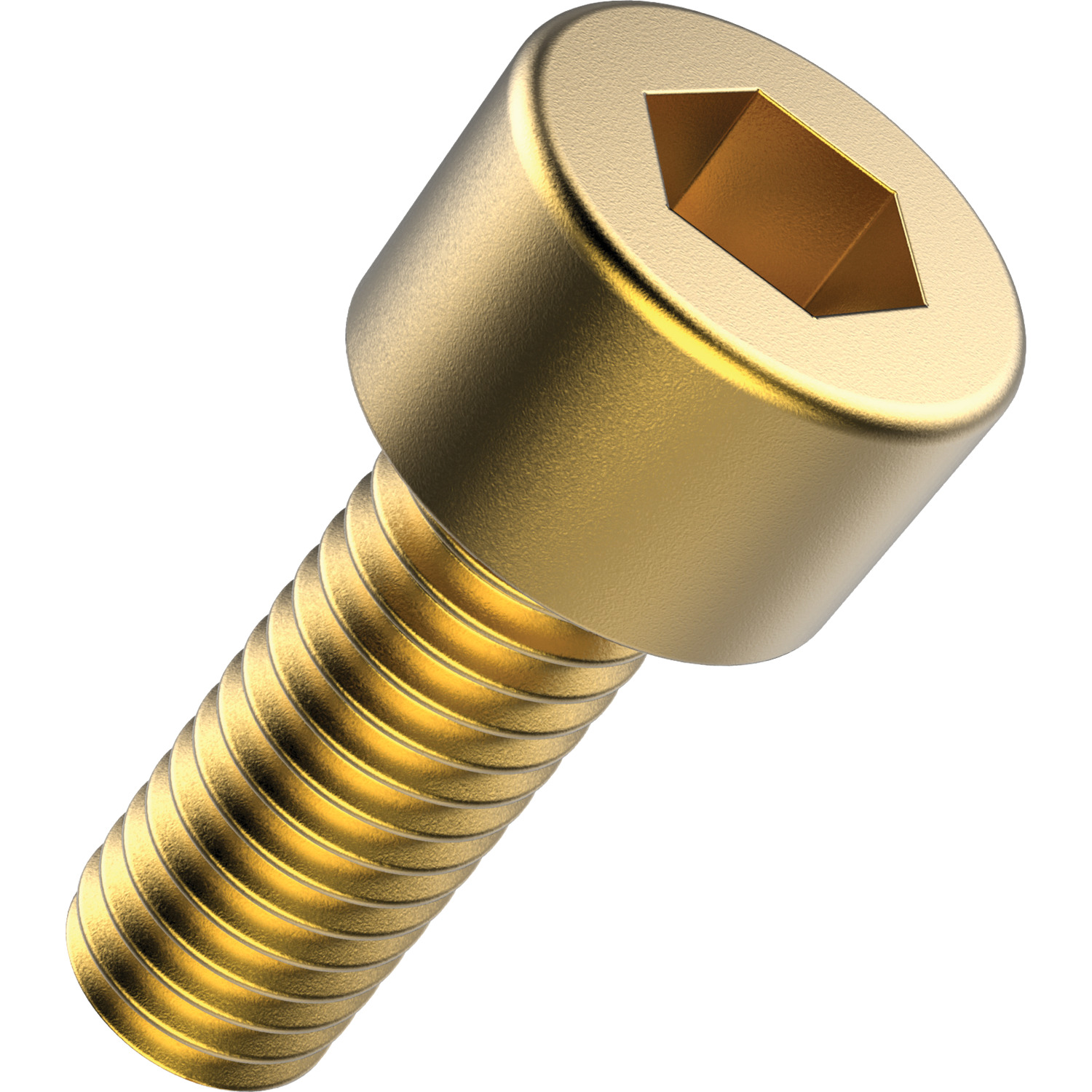
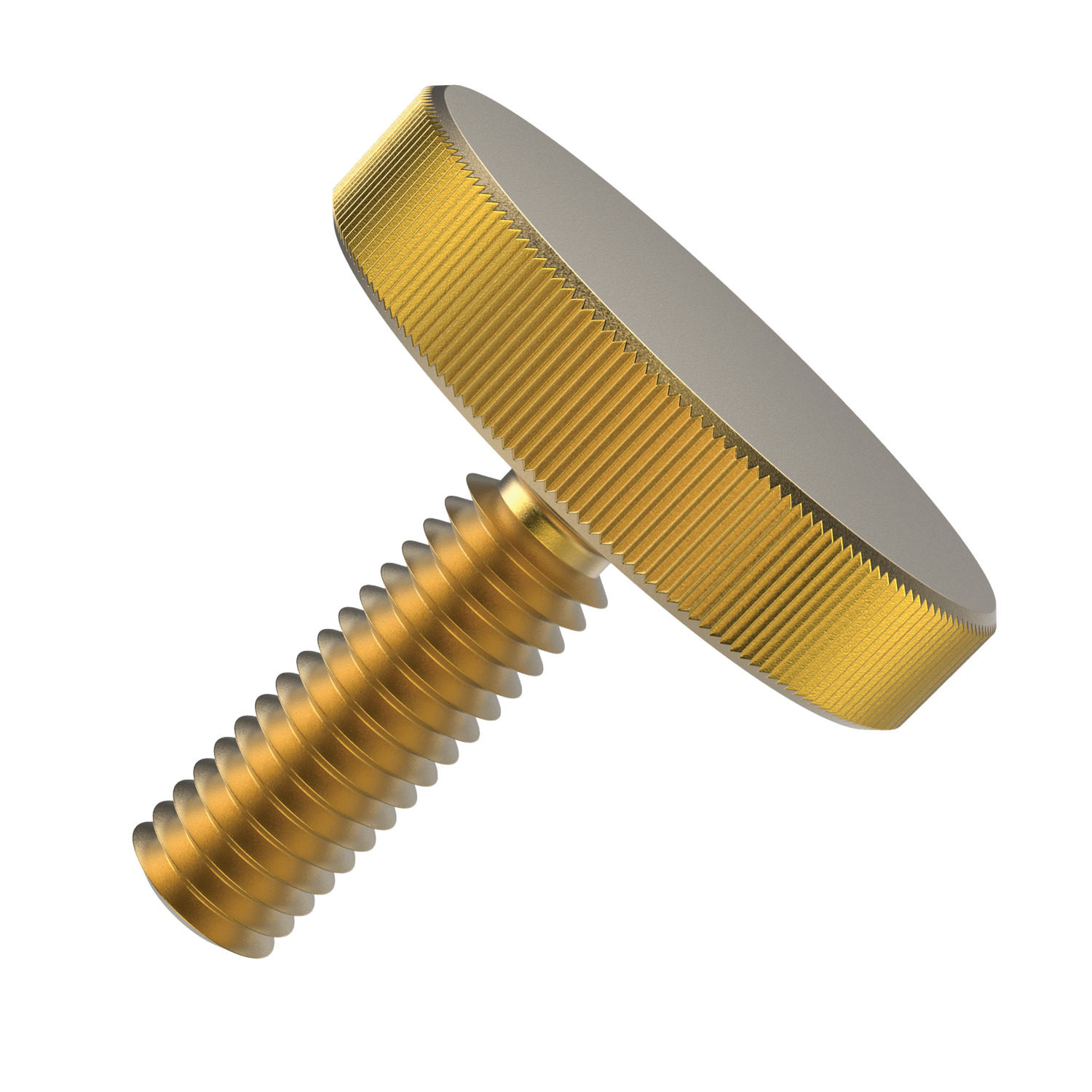
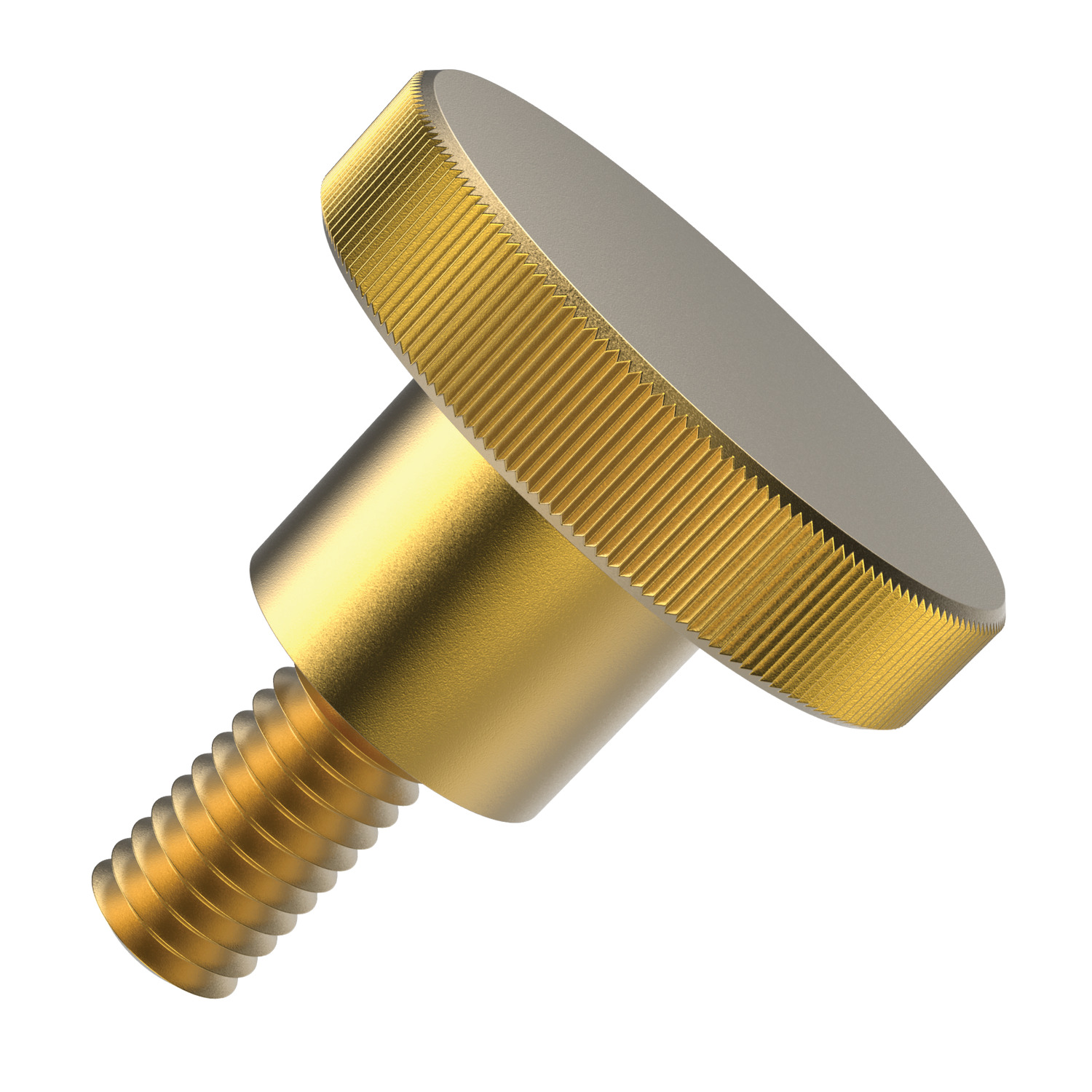
Brass is an easily machinable copper alloy that combines good corrosion resistance with excellent formability. It is widely used for valves, fittings, electrical components, and precision-machined parts across a variety of industries. Its balance of performance and manufacturability makes it a practical choice for many engineering applications.


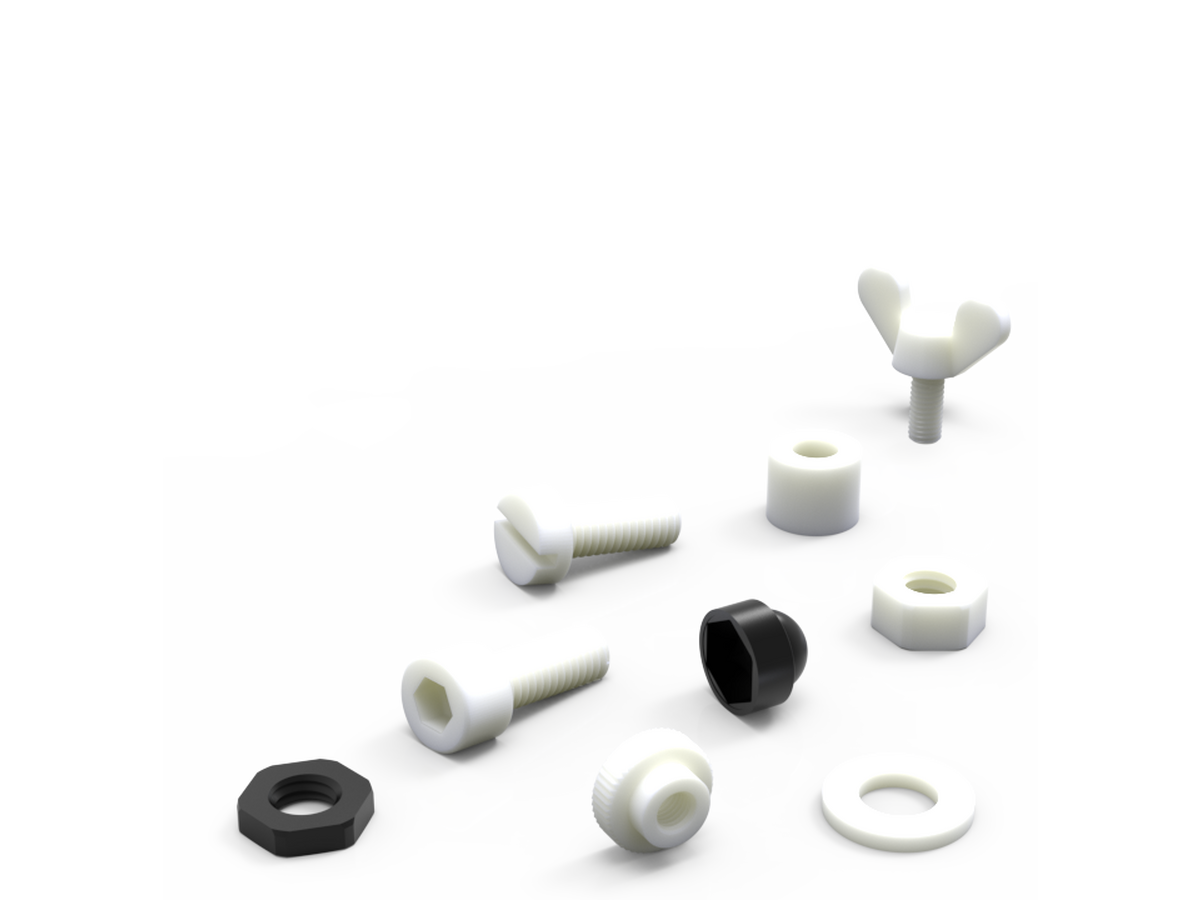
Nylon
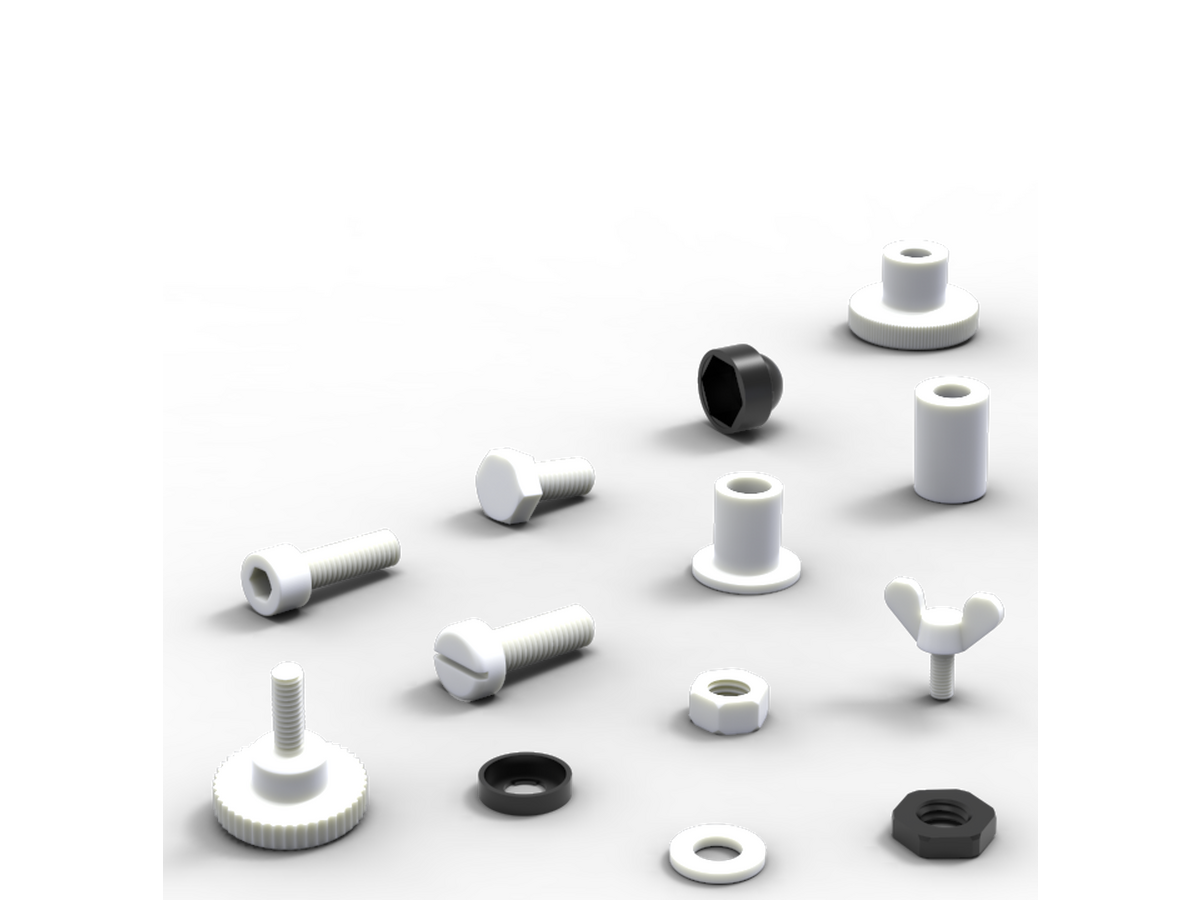
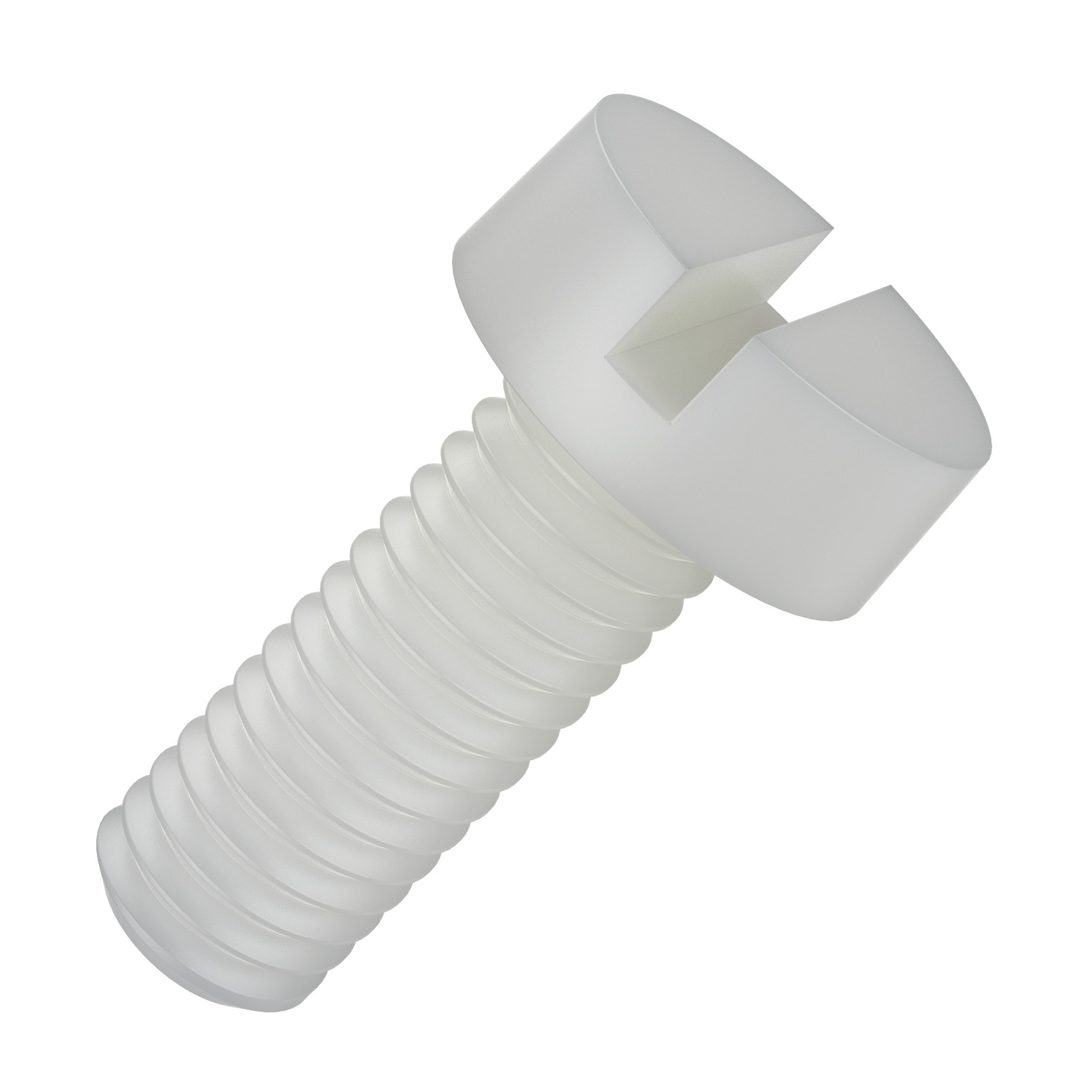
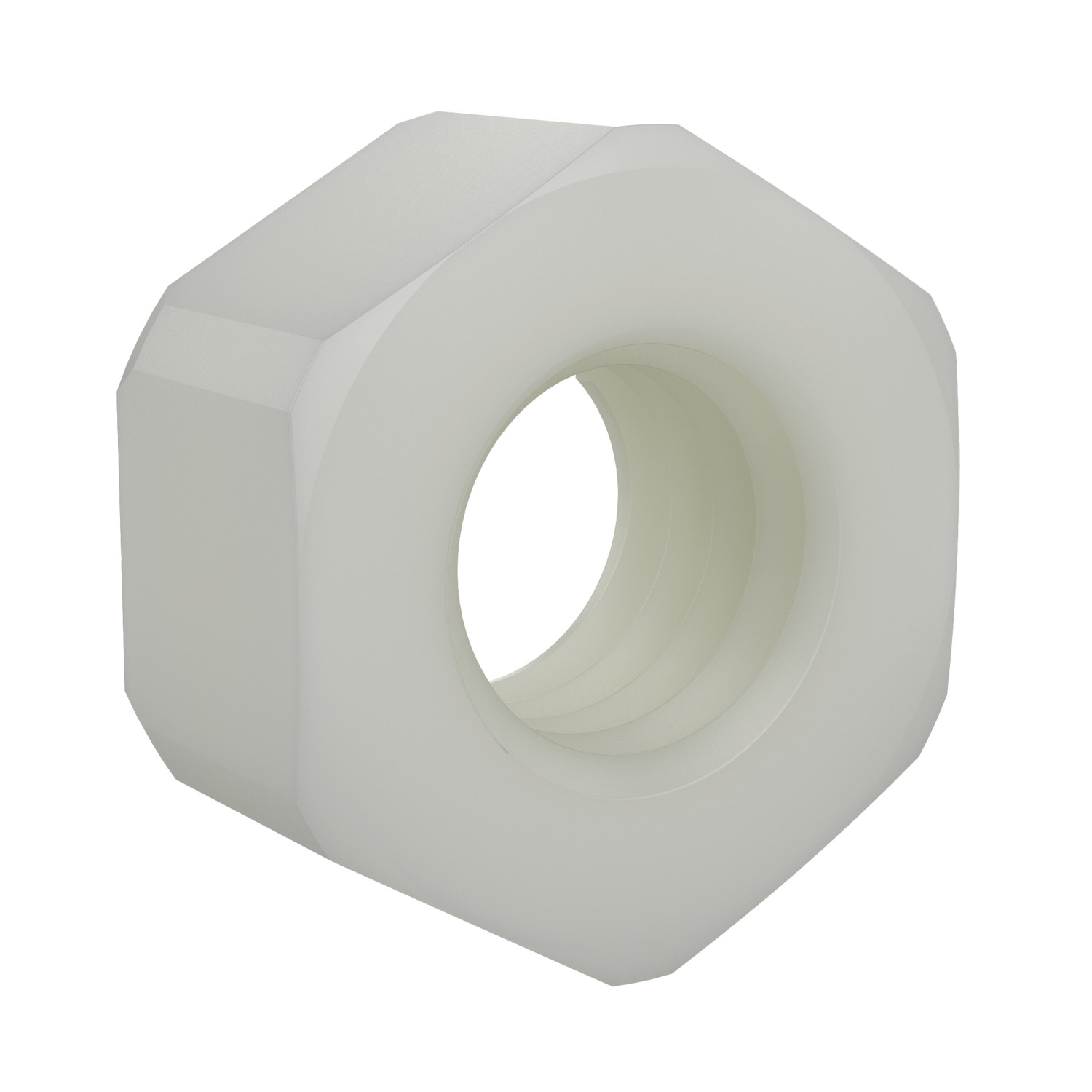
Nylon is a durable engineering plastic that combines mechanical strength with excellent wear and friction characteristics. Commonly used in power transmission and moving assemblies, it is ideal for components such as gears, bearings, and wear pads. Its lightweight nature and cost-effectiveness make it a popular choice across industrial manufacturing.
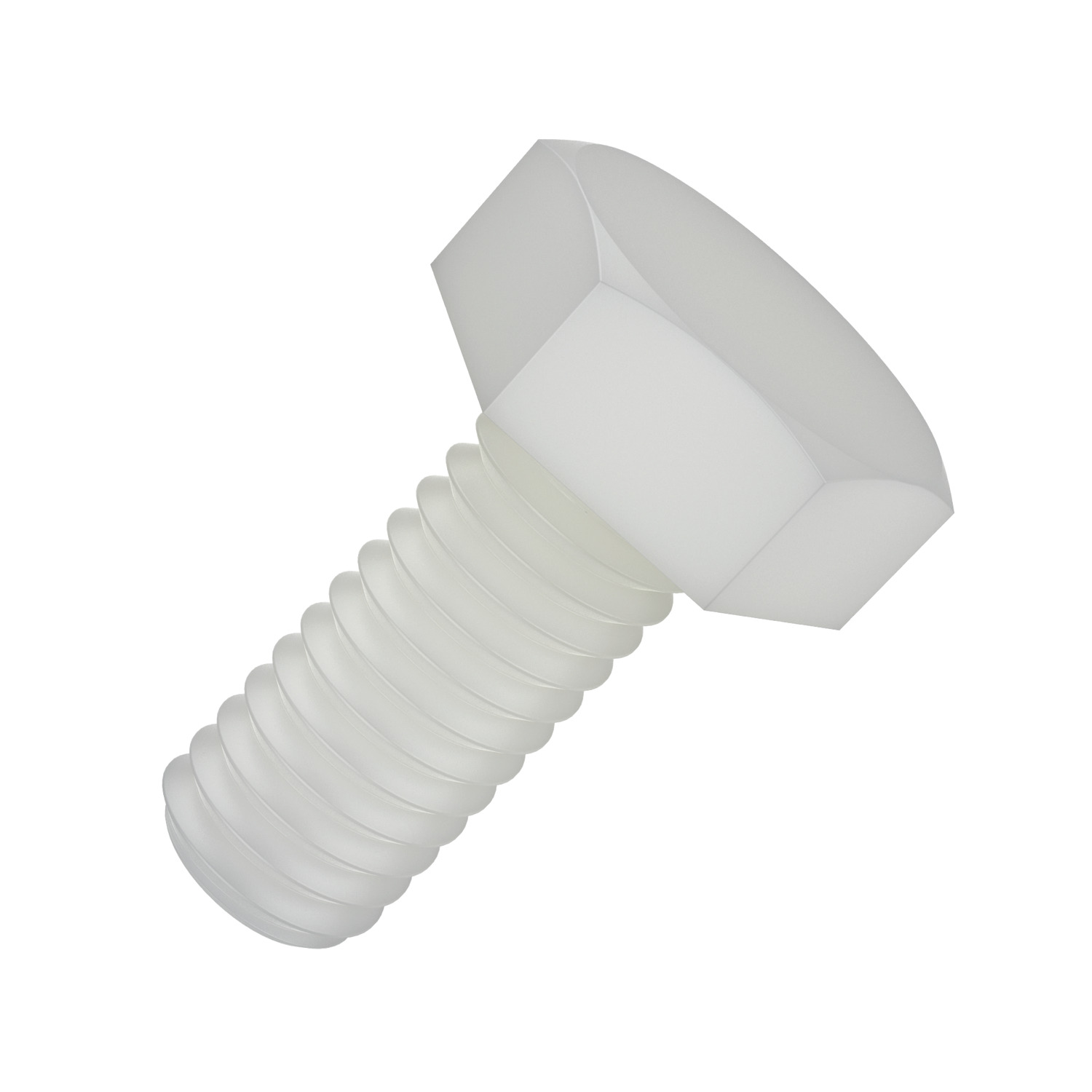
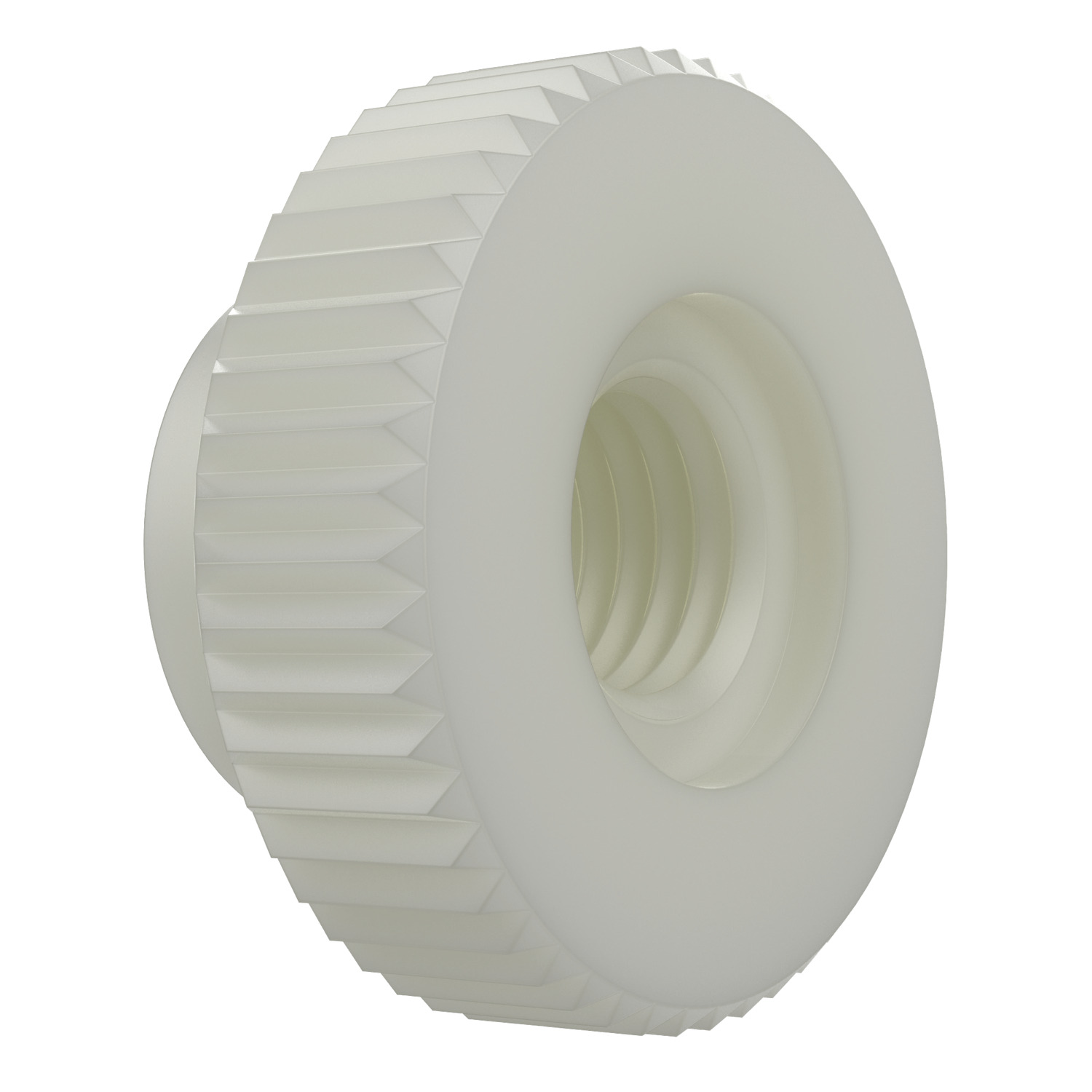
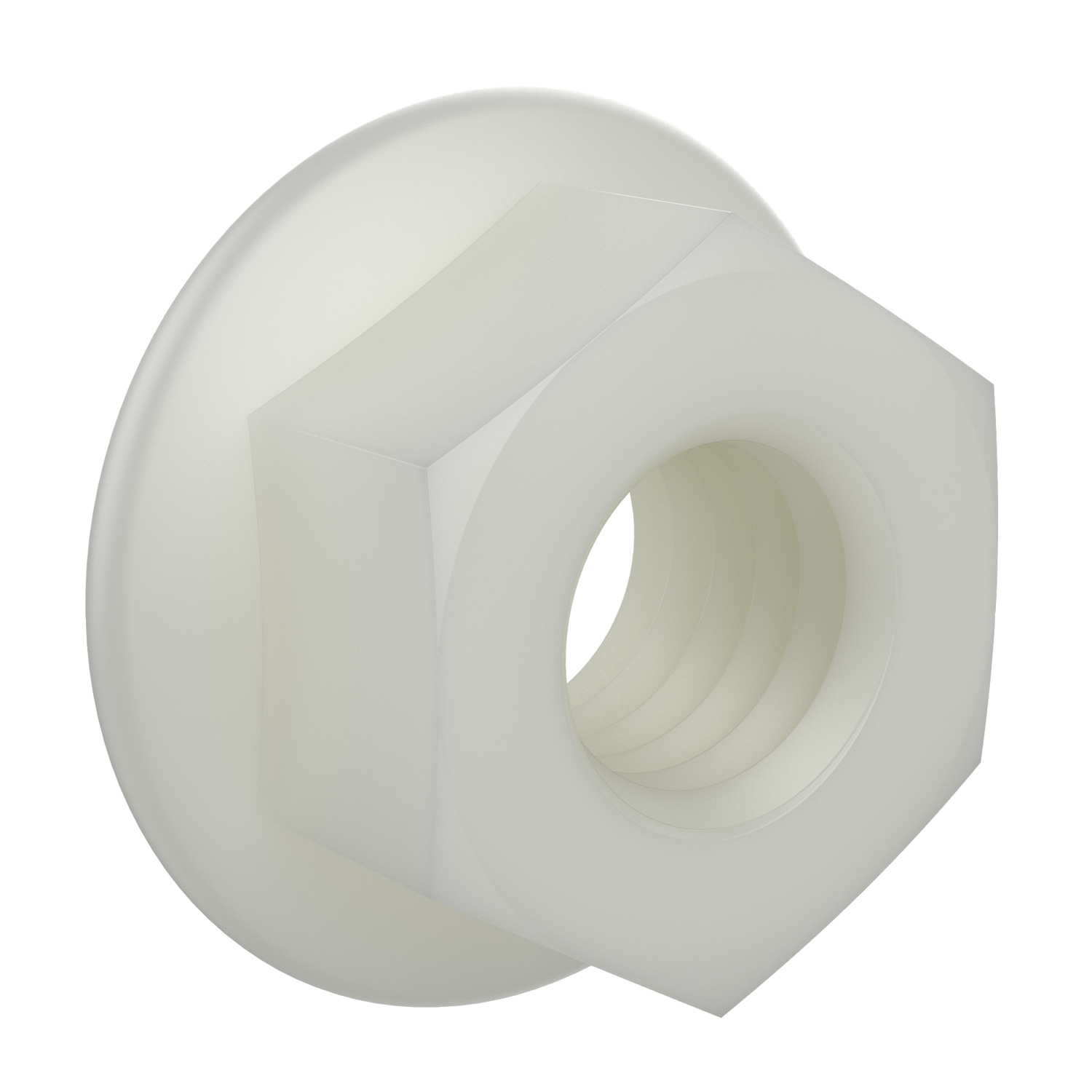

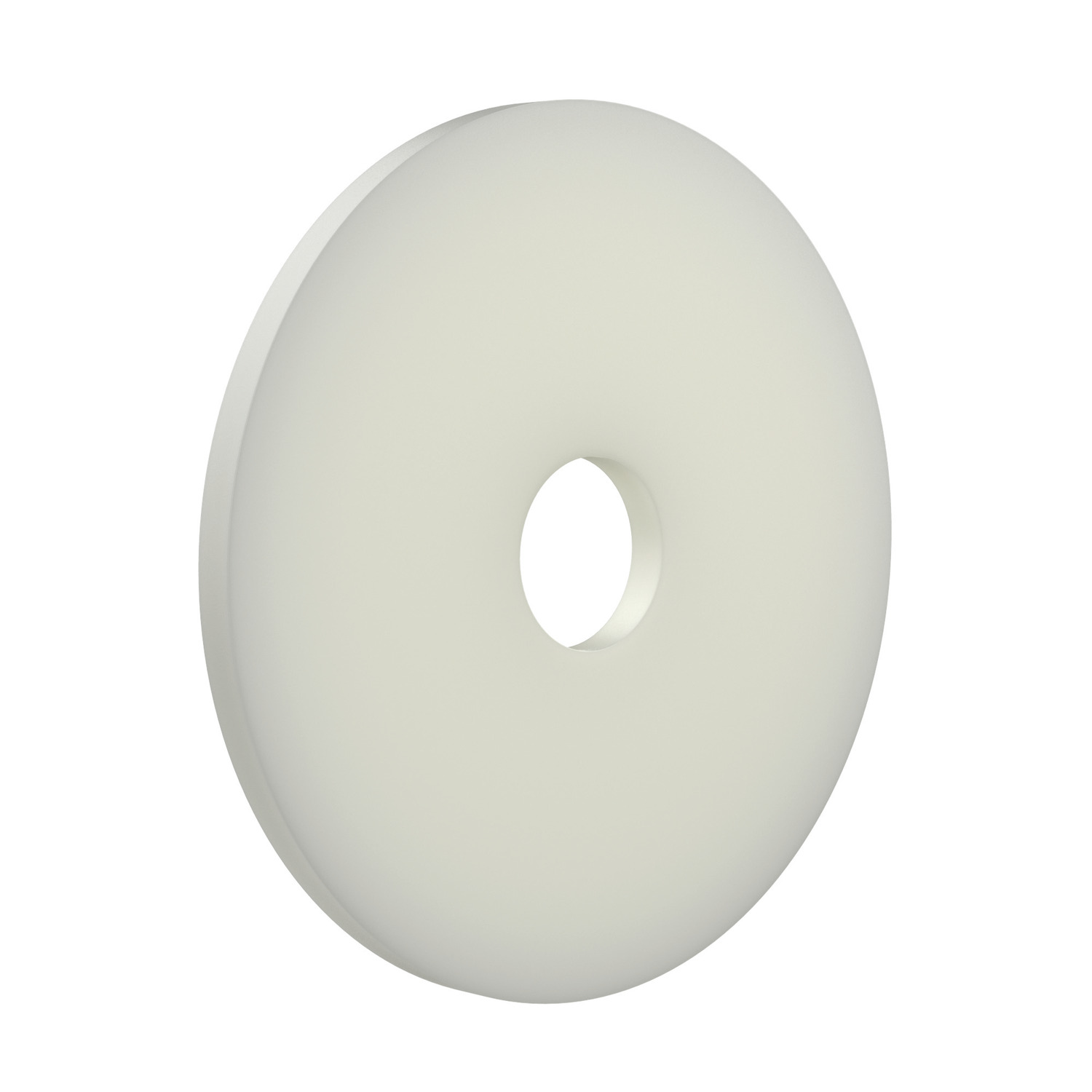
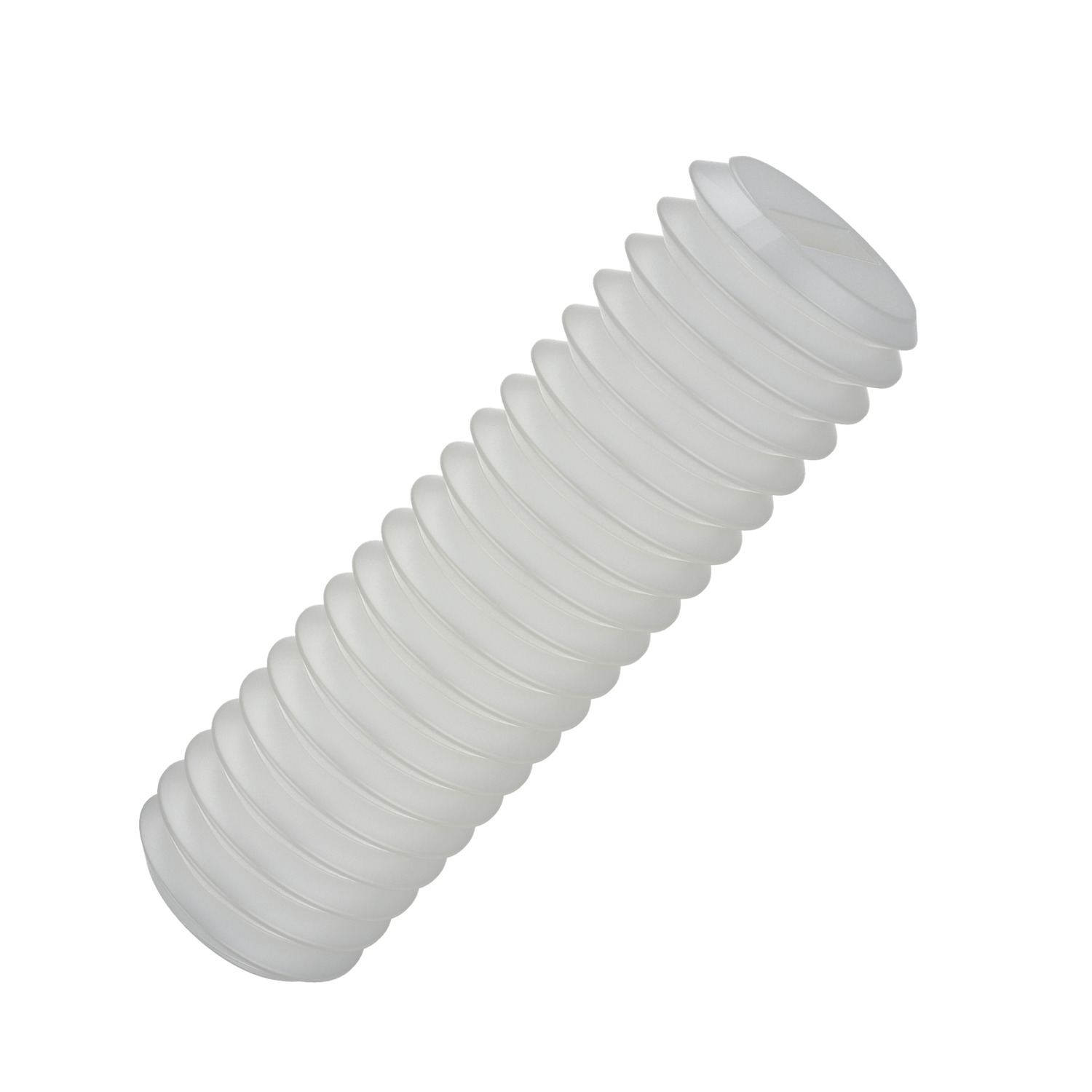
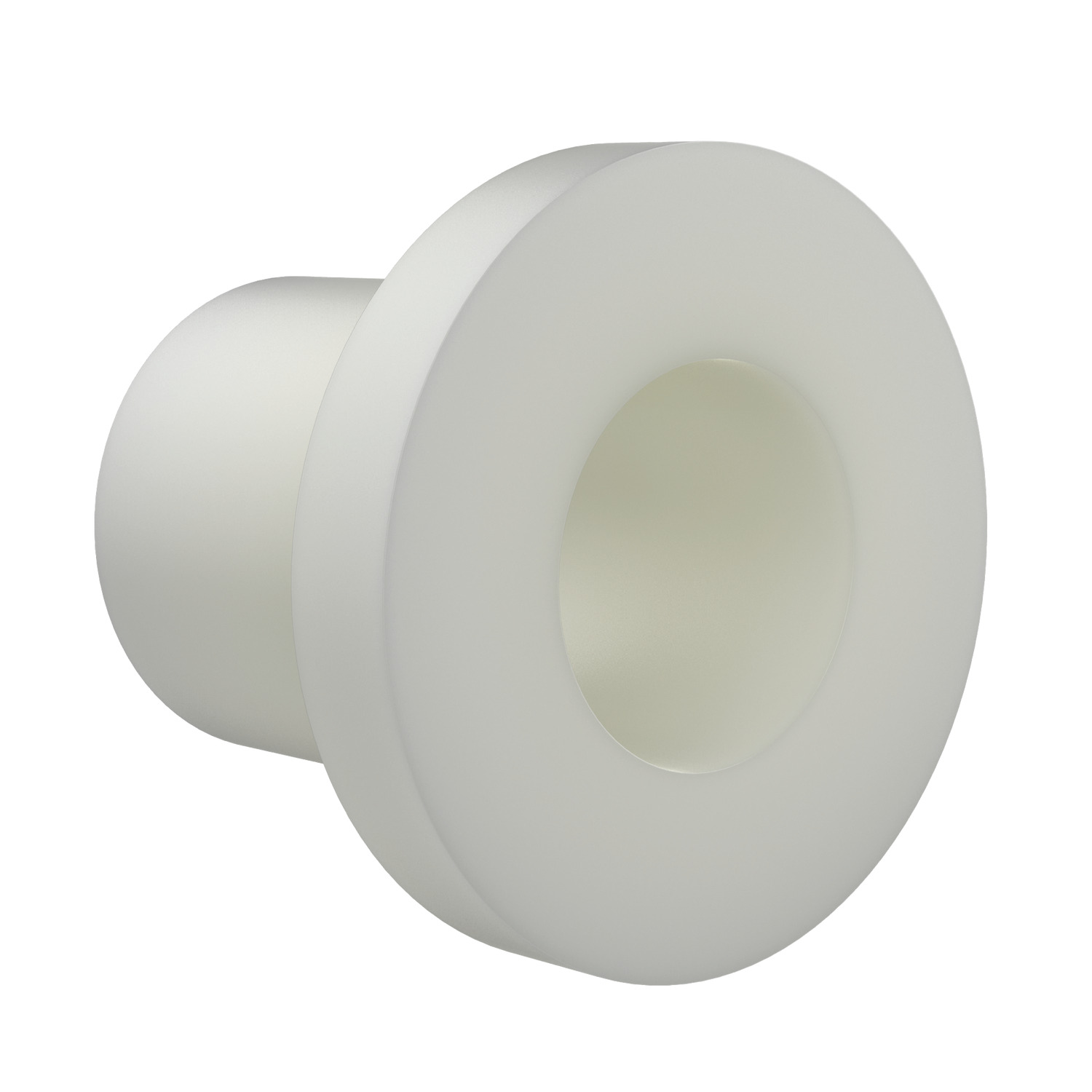

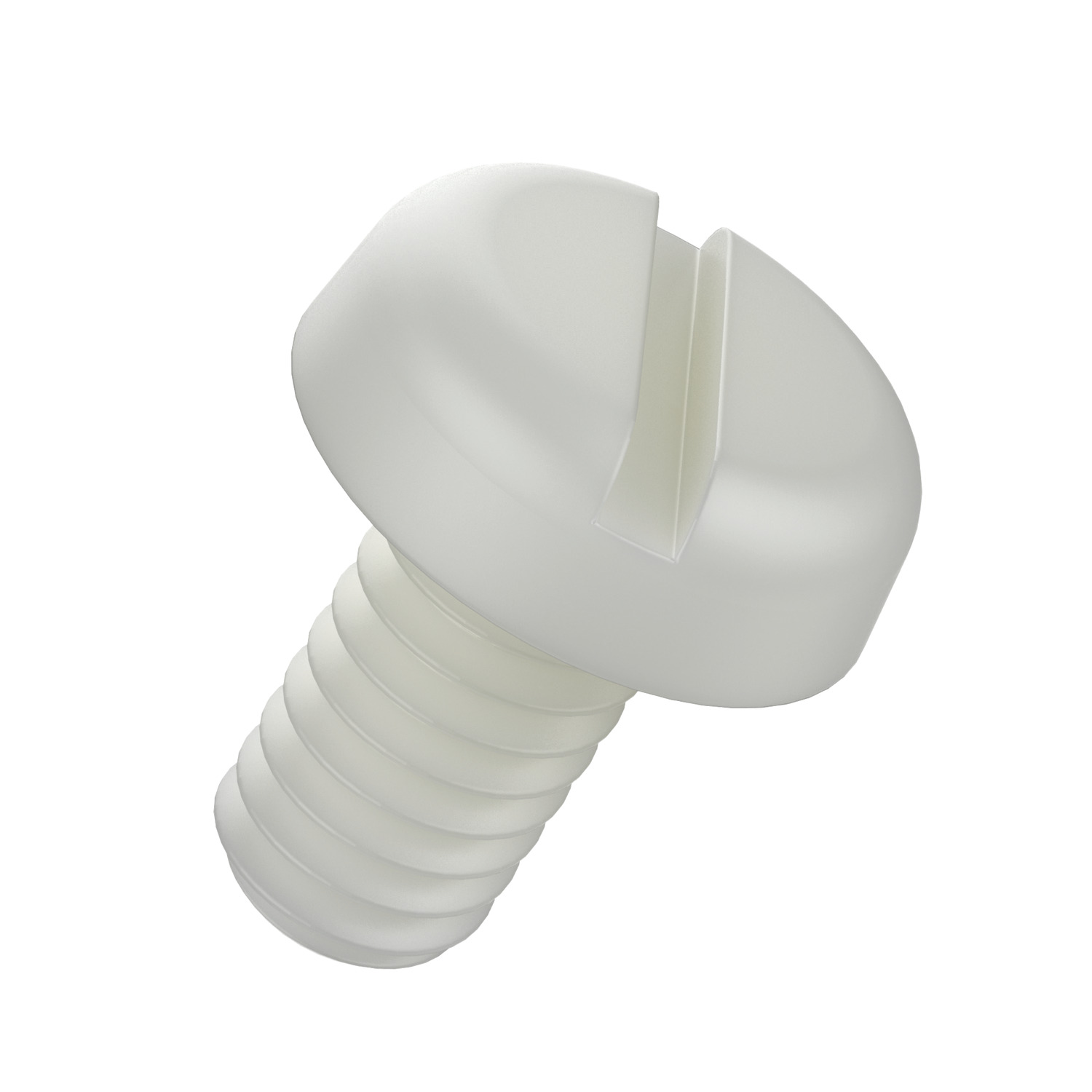


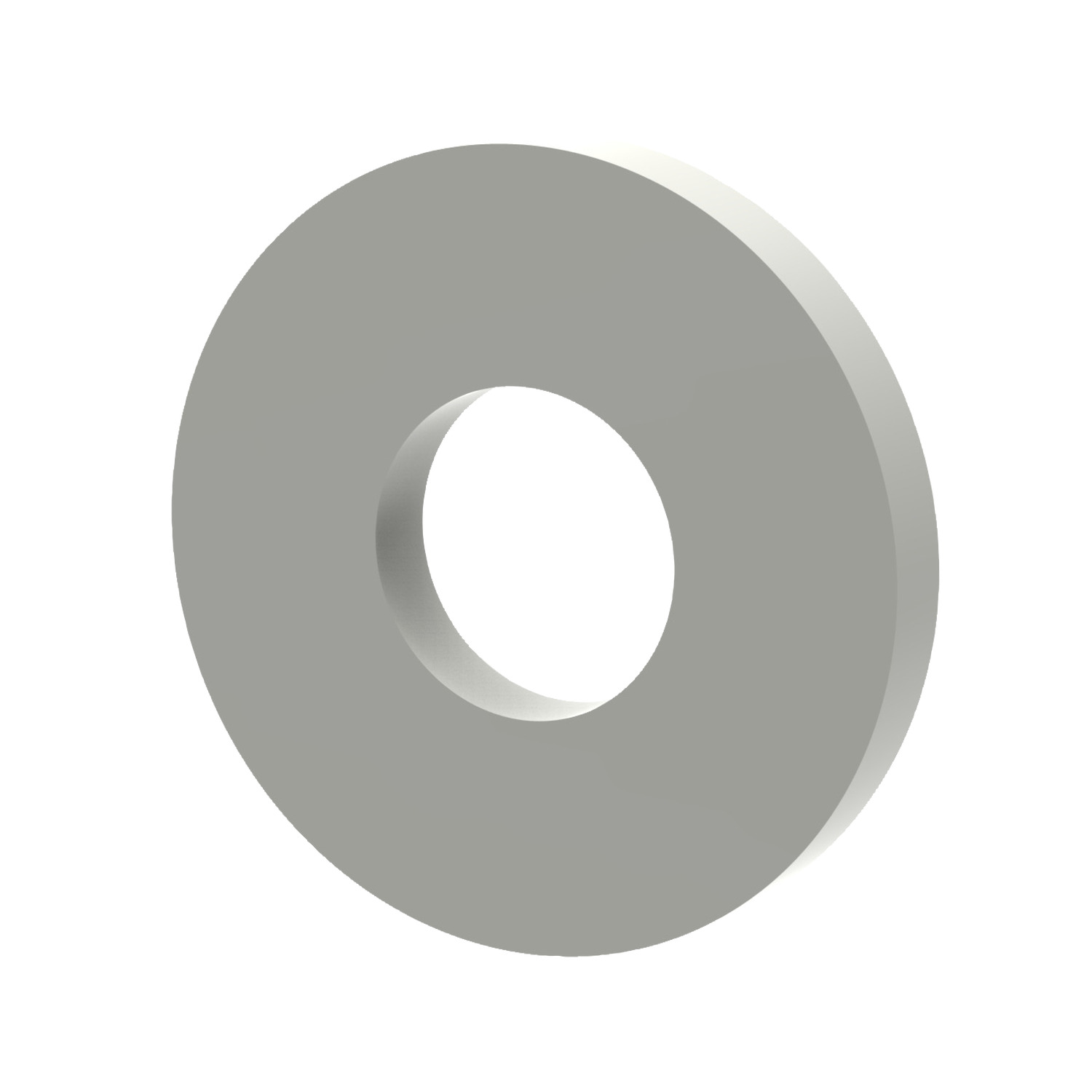

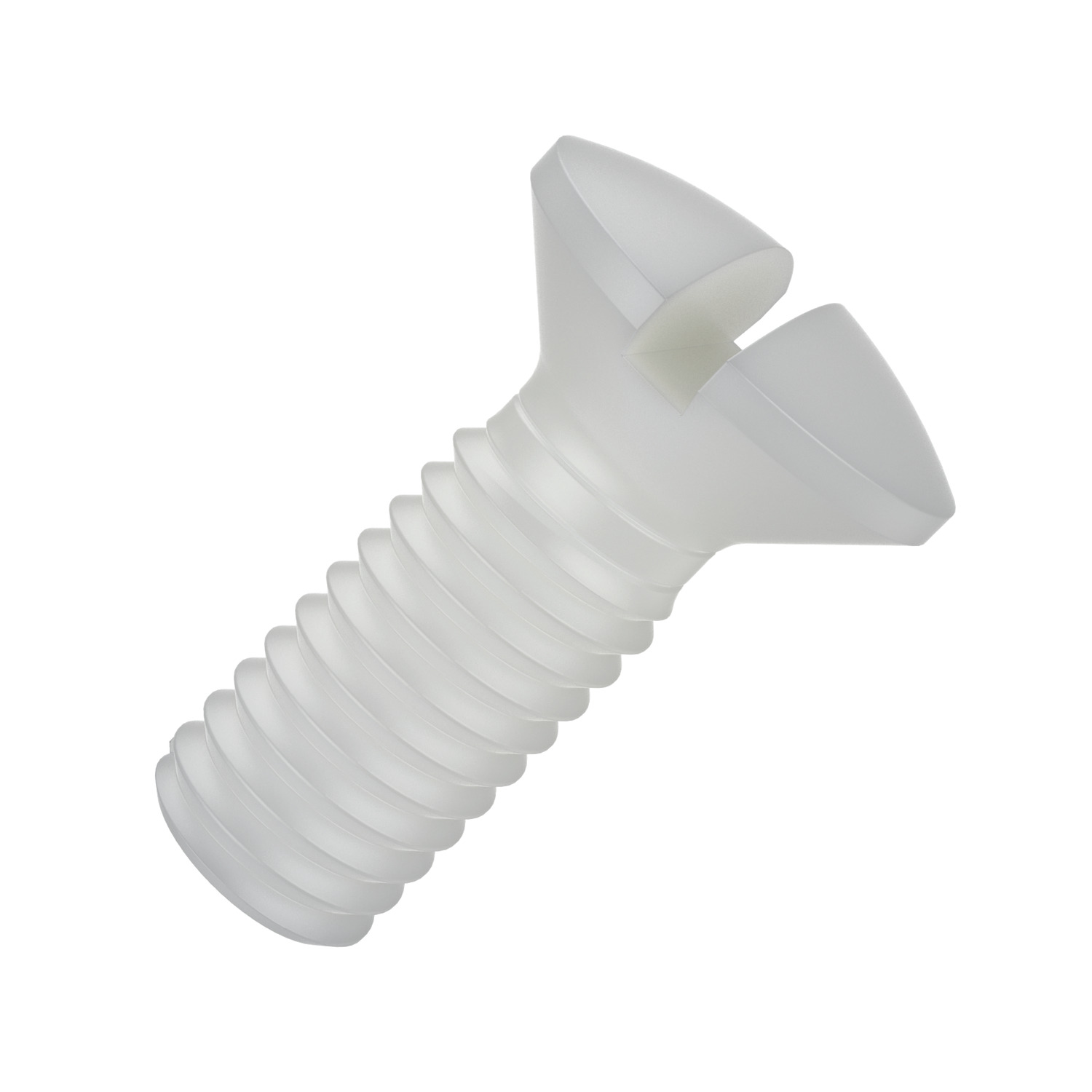
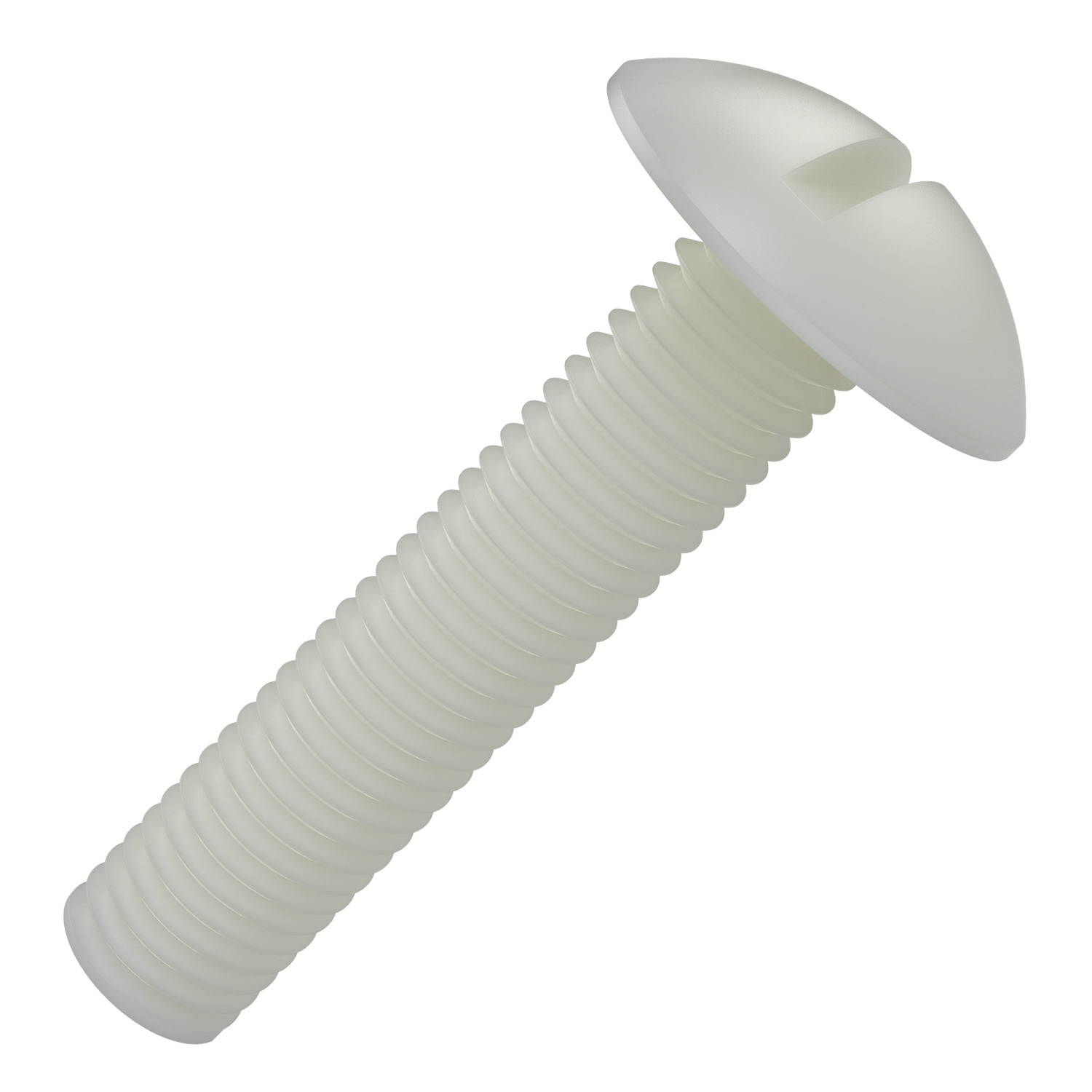
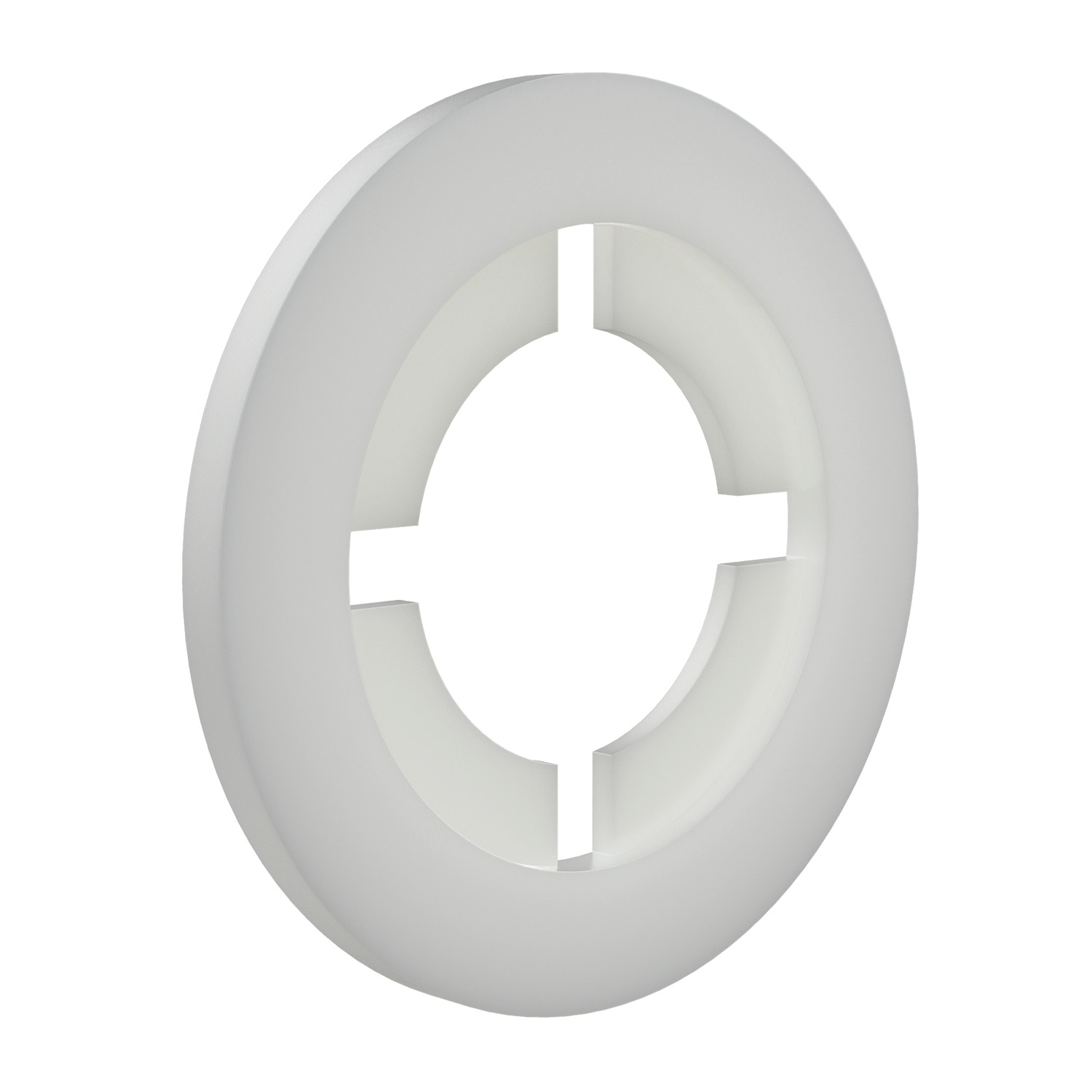
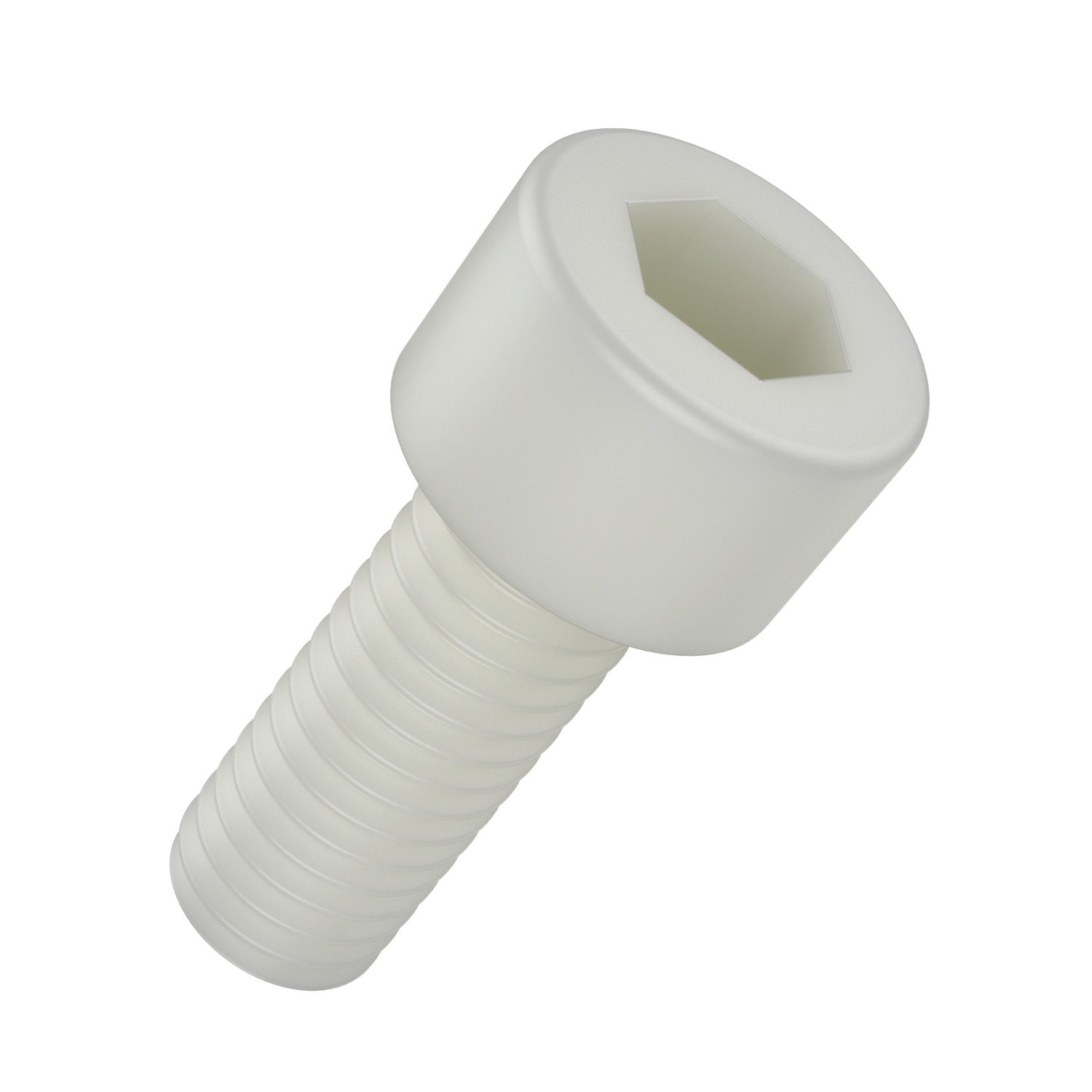
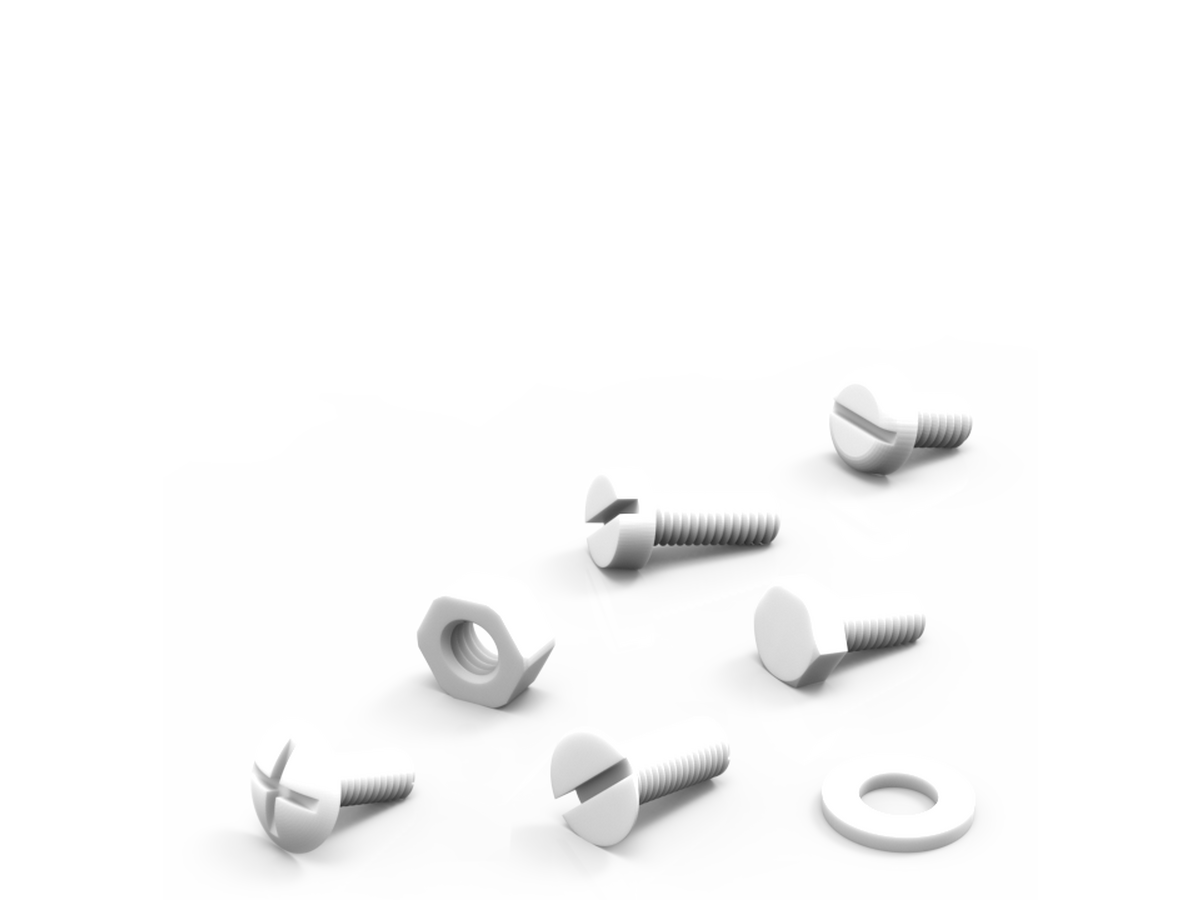
Plastic
Engineering plastics provide practical solutions where low weight, corrosion resistance, and manufacturing flexibility are required. Materials such as polyethylene and nylon are used in applications ranging from fluid handling systems to mechanical components and protective housings. Their versatility allows engineers to achieve reliable performance while reducing maintenance and material costs.

Looking for more products with the correct material?
Visit our sister brands.


Looking for more products with the correct material?
Visit our sister brands.
Request a call-back with our team.
Pre-order the Materials publication.
Alexia House, Glenmore Business Park
PO19 7BJ Chichester
United Kingdom
0333 207 9969
sales@teknipart.co.uk
Route via Google Maps
Company registration no: 00496138
VAT no.: GB 408154022